
The Bag of Cookies

She always reached the airport much before her flight. She loved waiting there and reading her paperback and munching on something. Maybe crisps maybe cookies. Today she had a pack of cookies with her. She sat in the waiting lounge, the faint hum of announcements and the soft rustle of travellers around her blending into white noise. In her hand, a paperback—a comforting companion for the next hour until her flight. Beside her, an unopened packet of cookies sat on the empty seat, waiting for when her hunger would inevitably surface.

After flipping a few pages, she felt a slight movement beside her. A man, nameless and quiet, had taken the seat next to hers. He didn’t acknowledge her, didn’t glance her way, but what he did next sent her blood pressure spiking. He reached over and, without hesitation, slipped his hand into the packet of cookies, pulling one out casually and taking a bite.

Her eyes widened in disbelief. *Did that really just happen?*

She was no stranger to rudeness, but this was a first. Who just helps themselves to a stranger’s cookies without asking? She thought of saying something, but instead, her jaw tightened, and she decided to let it go. Maybe it was a misunderstanding, maybe he thought the cookies were complimentary or something. So, she quietly took one herself, hoping he’d get the message.

He didn’t. He simply reached for another.

*The nerve!* She glanced sideways at him, but his face remained impassive, eyes fixed on his phone. He was acting as if it was the most normal thing in the world, sharing her cookies without so much as a word. 

One cookie. Then another. They went on, alternating—her with simmering rage, him with silent indifference. With each cookie that vanished, her fury deepened. How could he?

The packet grew lighter, and with each passing moment, she fantasised about confronting him, demanding an explanation, maybe even a public scene. But she remained silent, her frustration bubbling just beneath the surface.

Finally, there was only one cookie left. This is it, she thought. Surely he wouldn’t be so bold as to take the last one.

But, to her shock, he reached into the packet, broke the cookie in half, and handed her one half with a slight nod. Then, without another word, he popped the other half into his mouth and stood up as if nothing out of the ordinary had transpired. 

Her face flushed with indignation. The audacity! She opened her mouth to give him a piece of her mind, but at that precise moment, her flight was called. Too stunned to speak, she gathered her things and marched toward the gate, fuming at the injustice of it all.

Once on the plane, she settled into her seat, still stewing over the bizarre encounter. She reached into her bag to retrieve her glasses, intending to finish the last few pages of her book. As her hand fumbled inside, it brushed against something unfamiliar.

Her heart skipped a beat. She slowly pulled out the object—

Her unopened packet of cookies!!!

For a moment, the world around her blurred into an uncomfortable haze of realisation. Oh no

Her mind flashed back to the lounge. The nameless man, sitting beside her in silence, hadn’t been stealing her cookies. He had been sharing his.

She stared at the packet in her hand, her cheeks burning with embarrassment. All that anger, all that silent fury, had been over nothing. She had eaten *his* cookies—cookie after cookie—and he, without a word of complaint, had quietly shared them with her.

A small, self-deprecating smile tugged at the corners of her lips as she leaned back in her seat. 

Life, she realised, had a funny way of humbling you when you least expect it.

Copyright (c) Pratik Majumdar, 2024. Any article, story, write-up cannot be reproduced in its entirety or in part, without permission. URL links can be used instead

Idle Cinema Musings #6 Hrishikesh Mukherjee’s Jurmana – 45 years of quiet excellence

Jurmana (1979), directed by Hrishikesh Mukherjee, is a film that explores themes of redemption, guilt, and the consequences of moral recklessness. The film is notable for its emotionally resonant storytelling, supported by strong performances from its ensemble cast. While the film aligns with Mukherjee’s signature style of simple, yet profound human dramas, Jurmana carries a more intense emotional undercurrent compared to some of his other lighter works.

At the centre of the film is Amitabh Bachchan as Inder Saxena, a character that stands out due to its moral complexity. Inder is wealthy, charming, and successful, but his moral compass is skewed by arrogance and a sense of entitlement. Bachchan, known for his ‘angry young man’ persona in many films of the 1970s, brings a different flavour here—playing a character whose hubris leads him to toy with the emotions of the vulnerable. Inder’s journey in Jurmana begins with him recklessly wagering that he can seduce the principled and idealistic Rama (Raakhee), an action that sets off a chain of events with severe consequences.

Amitabh’s performance is brilliantly layered, oscillating between charisma and eventual guilt. His portrayal captures Inder’s gradual realisation of the damage he has caused, as the character is forced to confront his actions and their devastating impact on Rama. The transformation from a confident playboy to a remorseful, guilt-ridden man is subtly conveyed, and Bachchan brings a maturity to the role, ensuring that Inder’s repentance feels genuine, despite the harm he has inflicted.

Raakhee as Rama serves as the moral core of the film. Her portrayal of a woman who faces betrayal with dignity and strength is one of the film’s most moving aspects. Rama’s simplicity, goodness and her ethical principles are tested, and Raakhee’s nuanced performance ensures that the audience feels the emotional weight of her suffering and eventual forgiveness. Her chemistry with Amitabh adds depth to their dynamic, making her a powerful counterpart to his morally ambiguous character.

Vinod Mehra, as Prem, plays a more understated but essential role. His character represents a contrast to Inder—he is steadfast, compassionate, and emotionally mature. Mehra’s calm and composed demeanour anchors the film’s emotional beats, offering a sense of stability and reliability that counters the turbulence of Inder’s actions.

Dr. Sreeram Lagoo, A.K. Hangal, Asrani, and Farida Jalal provide strong supporting performances, each contributing to the film’s emotional richness. Dr. Lagoo’s character, in particular, embodies wisdom and paternal concern.  Asrani and Farida Jalal lend warmth and lightness in moments where the narrative threatens to become too heavy, maintaining the balance typical of Mukherjee’s films.

The music by R.D. Burman is integral to Jurmana‘s emotional impact. Burman, collaborating once again with the lyricist Anand Bakshi, crafts a score that is both lilting and poignant. Songs like “Sawan Ke Jhoole Pade” and “Chhoti Si Ek Kali” capture the emotional transitions of the characters beautifully, underscoring their internal struggles and moments of realization. The music serves not just as a backdrop, but as a reflection of the characters’ inner worlds, with Burman’s melodies providing a tender counterpoint to the film’s moral and emotional tensions.

Hrishikesh Mukherjee, known for his ability to combine social commentary with deeply personal narratives, crafts Jurmana as a meditation on the price of moral misjudgments and the possibility of redemption. The film reflects Mukherjee’s belief in the essential goodness of people, even when they falter. While it may lack the overt simplicity of his other films like Anand or Chupke ChupkeJurmana stands out for its emotional depth, offering a more complex portrayal of guilt and repentance.

Jurmana is a compelling drama about the consequences of a man’s careless choices and his eventual path to atonement. Amitabh Bachchan’s complex portrayal of Inder, paired with Raakhee’s dignified performance as Rama, creates an emotionally charged narrative that remains touching and thought-provoking. The supporting cast and R.D. Burman’s music elevate the film further, making it a significant entry in Hrishikesh Mukherjee’s rich body of work.

Copyright (c) Pratik Majumdar, 2024. Any article, story, write-up cannot be reproduced in its entirety or in part, without permission. URL links can be used instead

The Meeting

The evening sun was gradually dissolving into the horizon, casting a golden hue over the quaint little cafe that had been their spot. It was tucked away from the hustle of the main street, a place of warmth, intimate corners, and memories that lingered like the faint aroma of coffee beans in the air. He hadn’t been there in months. Not since that day.

The breakup.

But today was different. She had called him after all this time, her voice tentative, unsure, asking if they could meet. “Just like old times,” she had said, her words carrying a soft ache that he couldn’t ignore.

As he pushed open the familiar wooden door, the little bell above chimed the same way it always had. There she was, seated at their usual table by the window, fidgeting with her cup. Her eyes flicked up to meet his, and for a moment, neither spoke. The sound  of all those unsaid words, all the months of silence, hung in the air between them.

“Hey,” she smiled softly, nervously tucking a strand of hair behind her ear. He smiled back, a little cautiously, taking the seat across from her.

For the first few minutes, the conversation was light, awkward even, as they discussed the small things — work, the weather, new movies. But as the evening wore on and they settled into the rhythm they once knew so well, the conversation drifted to the past. To the times they had laughed at this very table, sharing stolen glances and inside jokes that no one else could understand.

“Remember that time we stayed here until they had to kick us out?” she asked, her voice soft with nostalgia.

“And you tried to convince the barista that you could make better cappuccinos than him,” he chuckled, shaking his head. “You were terrible, by the way.”

She laughed, a genuine sound that warmed the space between them. “I wasn’t *that* bad.”

“You nearly broke the machine.”

“Fine, I was terrible,” she admitted, smiling. “But it was fun, wasn’t it?”

He nodded, his gaze drifting to the window, where the light outside had softened into twilight. The laughter died down, leaving a quiet, wistful silence in its place. For a moment, the memories felt so real, so close, that it was as if no time had passed at all.

They had been so foolish, they realized now. The fight, the breakup — they all seemed so trivial in the light of these shared moments. The arguments that once felt so monumental had lost their meaning. They had loved each other deeply, and it seemed ridiculous now that they had let it slip away.

Her hand reached across the table, brushing against his. “Maybe we were wrong,” she whispered, her eyes searching his. “Maybe we made a mistake.”

His heart skipped a beat. He had missed her — missed this. The familiarity, the connection. For a moment, he allowed himself to believe that maybe they could turn back time, undo the hurt, and find their way back to each other.

But just as he opened his mouth to respond, his phone buzzed on the table, the screen lighting up with a text message.

Without thinking, he glanced at it — and froze. The message was from Bidisha.

“Can’t wait for our dinner tonight! 🙂 See you soon x”

He stared at the screen, his mind suddenly swirling with guilt, confusion, and the sharp realisation of what this moment really was. This wasn’t a reunion. It wasn’t a second chance. It was the end of something they had both outgrown without fully acknowledging it.

Her eyes followed his, landing on the phone, and the message that shattered the fragile hope hanging between them.

“Bidisha?” she asked, her voice barely a whisper, though it carried the weight of everything she feared.

He looked up at her, his jaws tightening. He hadn’t wanted this. He hadn’t expected it to end like this. But this was the moment of truth.

“I… I didn’t know how to tell you,” he started, fumbling for the right words. “We’ve been… I’ve been seeing her for a while now.”

Her face paled, the softness in her eyes replaced by a quiet, hollow shock. The realisation hit her like a wave — the memories, the laughter, the connection they had once shared — it was all in the past. She realised she had lost him long before this meeting.

“I see,” she said finally, her voice steady but distant. She pulled her hand back from the table, wrapping her fingers around the cup instead, as if holding onto something, anything, that was still familiar.

For a few long moments, they sat in silence. The cafe around them, once so full of warmth and shared moments, now felt cold, as though time itself had shifted between them.

“I should go,” she said quietly, standing up and gathering her things. Her movements were deliberate, but her eyes betrayed the emotions swirling inside her. “Thank you for coming.”

He stood up too, wanting to say something, anything, to make it right, but no words came. What could he say? He hadn’t meant to hurt her — but he had.

She offered him a small, sad smile before turning towards the door. As she walked away, the bell chimed softly again, a final note in the soundtrack of their story.

He watched her leave, knowing that this time, there was going to be no coming back.

And outside, as the dusk settled in, she stepped into the street, the gravity of what was lost pressing heavily on her heart. The world around her felt the same, but she knew, in that quiet moment, that everything had changed. Forever.

What they had once shared would now only live in memories — as the memories of a love that had slipped away when neither of them were even aware of it.

Copyright (c) Pratik Majumdar, 2024. Any article, story, write-up cannot be reproduced in its entirety or in part, without permission. URL links can be used instead

Two Worlds

Ananya hadn’t planned on falling in love with the mountains. She had simply needed a break—a pause from the rush of her daily life. Her marriage to Veer was comfortable, steady, and safe. They had built a good life together, full of routine and stability. But lately, something had been missing. The quiet yearning she could never quite articulate to him or even herself had grown too loud to ignore. So, she booked a solo trekking trip, craving solitude and space to breathe, far away from the endless noise of deadlines and obligations.

On the second day of her trek, as the mist clung to the peaks, she met him. His name was Ayan, and from the moment they crossed paths, she felt the pull of something unexpected. He was nothing like the people she knew back home. With tousled hair, worn hiking boots, and eyes that held a thousand stories, Ayan seemed to carry the world lightly. He was a traveller in the truest sense—always moving, never staying. His life was a series of fleeting moments, and he seemed content that way.

Their first conversation was brief, exchanged over a shared campfire with other trekkers. But it was enough for Ananya to sense the quiet magnetism that drew her toward him. Ayan spoke of the world as if it were his playground, his heart untethered, his soul unanchored. He didn’t ask too many questions about her life, nor did he offer much about his own. But in the silences between their words, something lingered, something neither of them could ignore.

They kept running into each other after that—on narrow paths winding through forests, on rocky trails that led to breath-taking views. And each time, they lingered a little longer. Their conversations deepened, and with each shared story, Ananya found herself slipping further away from the person she had been when she arrived. Ayan, too, seemed to soften in her presence, drawn to the quiet grace with which she carried herself. 

The mountains became their sanctuary, a world suspended from time where the outside didn’t exist. The days they spent together felt like stolen moments, fragile and fleeting. Ananya could feel something stirring in her, a restlessness she hadn’t acknowledged before. Ayan made her feel alive in ways she had long forgotten—his spontaneity, his ease with the unknown, the way he saw beauty in everything, from the simplest wildflowers to the vastness of the sky.

One evening, after a long day of trekking, they found themselves alone, the others from their group having drifted off to sleep. The fire crackled between them, casting flickering shadows on their faces. Ayan told her about his travels—about the places he had seen, the people he had met, but also the emptiness that came with never belonging anywhere. There was a sadness in his voice, one that she hadn’t noticed before.

Ananya listened quietly, her heart tightening. She told him about her life—her marriage to Veer, the love she still had for him, but also the growing distance between them. She confessed that she felt lost sometimes, like she had forgotten a part of herself along the way. Ayan didn’t say anything for a long time, and when he finally spoke, his words were soft, almost tender. “Sometimes, we don’t realise what we’re searching for until we find it.”

The words floated between them, laced with meaning. Ananya’s breath caught, and in that moment, she knew. She knew that what she felt for Ayan was not just admiration or fleeting attraction. It was something deeper, something that tugged at the very core of her being. But she also knew that this could never be more than a beautiful, fleeting moment in time. She had a life to return to—a life she had chosen, and a love that was steady, if not always thrilling.

The days passed in a blur of stolen glances and lingering touches. They never spoke of the future; they didn’t need to. Both of them knew that this was temporary, that the mountains would not follow them back into the lives they had left behind. But the unspoken longing between them grew heavier, like a storm waiting to break.

On the last morning of the trek, the sky was a soft shade of pink as the sun rose over the peaks. Ananya stood by the edge of the cliff, her heart aching with the knowledge that this was the end. Ayan came up behind her, his presence warm and familiar. For a long moment, neither of them spoke.

“I’ll miss this,” she whispered finally, her voice breaking just slightly.

“So will I,” Ayan replied, his voice surprisingly emotional, something he hadn’t allowed himself to show before.

They turned to face each other, the distance between them both huge and yet unbearably close. Ananya wanted to say something, to ask him to stay, to ask if he would ever come back. But she knew better. They were from two different worlds—his, full of movement and freedom; hers, bound by love, commitment, and anchored in responsibility. Asking for more would break the delicate beauty of what they had shared.

Instead, she reached for his hand, holding it for one last time. The weight of his touch sent a wave of longing through her, a sadness for what could never be. Ayan’s eyes were soft, filled with the same unspoken emotion. 

They didn’t say goodbye, because goodbye felt too final. Instead, they stood there, in the silence of the mountains, knowing that what they had found would stay with them long after they parted.

When Ananya returned home, her life resumed as it always had. Veer greeted her with warmth, and she slipped back into the routine of work, of marriage, of the life she had chosen. But something inside her had changed. The mountains, and Ayan, had left their mark. She thought of him often, of his laughter, the way he made the world feel lighter. But most of all, she thought of that moment by the cliff, of the ache that had lodged itself in her heart the day they parted.

And somewhere, out in the world, Ayan kept moving. He travelled to new places, met new people, but he, too, carried that moment with him. He thought of her—of her quiet strength, the way her eyes reflected the mountains when she smiled. And though he continued to wander, a part of him longed for the stillness he had found with her, if only for a little while.

They lived their lives, separate but connected, forever reminded by the echoes of a distant moment that had changed them both in ways they couldn’t fully understand. It was a love that was never meant to last, but one that neither of them would ever forget.

Copyright (c) Pratik Majumdar, 2024. Any article, story, write-up cannot be reproduced in its entirety or in part, without permission. URL links can be used instead

Idle Cinema Musings #5 Hrishikesh Mukherjee – My Personal Favourite Top 5 films

Hrishikesh Mukherjee, one of the finest filmmakers in Indian cinema, holds a special place in the hearts of many for his ability to depict simple, human stories with warmth, humoUr, and moral integrity. On his birth anniversary, it is a fitting tribute to explore his cinematic genius through the lens of five of his timeless films that exemplify his craft, gentle storytelling, and empathy for human nature.

1. Musafir (1957)

“Musafir,” Mukherjee’s debut film as a director, is an innovative and poignant tale that highlights his humanistic approach to storytelling. The narrative is structured around three stories, all set in the same house, each exploring different stages of life—youth, marriage, and death. This film stands out because it is emblematic of Mukherjee’s signature: simple yet profound depictions of human relationships. The house becomes a metaphor for life itself, where different tenants leave behind memories, joys, and sorrows. Mukherjee’s use of subtle humour and layered emotions laid the groundwork for the kinds of intimate films he would go on to make. For me, “Musafir” is a touching meditation on life’s impermanence and the transient nature of our connections.

2. Anupama (1966)

“Anupama” is an emotionally resonant film that highlights Mukherjee’s sensitivity in portraying complex relationships, particularly familial bonds. The story revolves around Uma (Sharmila Tagore), a reticent and emotionally scarred woman, and her strained relationship with her authoritarian father. The film beautifully explores her journey towards self-expression and emotional freedom, catalysed by a poet played by Dharmendra. For me, “Anupama” is a masterpiece in understated emotions. Mukherjee masterfully captures the unsaid through silence, minimal dialogue, and subtle gestures. The melancholic mood, haunting soundtrack, and Sharmila Tagore’s tender performance elevate this film into a poignant reflection on parental expectations and emotional repression.

3. Satyakam (1969)

“Satyakam” is arguably one of Hrishikesh Mukherjee’s most serious and hard-hitting films. Based on the novel by Narayan Sanyal, it examines the life of an idealistic man, Satyapriya (Dharmendra), who struggles to uphold his moral principles in an increasingly corrupt world. Set against the backdrop of post-independence India, the film is a deeply philosophical exploration of truth, integrity, and disillusionment. What I admire most about this film is its stark portrayal of how unyielding idealism can lead to personal and emotional devastation. Mukherjee does not offer easy answers but presents a thought-provoking character study that resonates deeply with anyone who has grappled with the compromises required in life. Dharmendra’s career-defining performance and Mukherjee’s sharp critique of societal hypocrisy make “Satyakam” an unforgettable cinematic experience.

4. Anand (1971)

“Anand” is undoubtedly one of Mukherjee’s most beloved films, and for a good reason. The story of a terminally ill man, Anand (Rajesh Khanna), who spreads joy and optimism wherever he goes, is a celebration of life in the face of death. For me, the beauty of “Anand” lies in its balance of humor, pathos, and philosophical reflections on life. Mukherjee’s genius here is in crafting a film that, while centered on tragedy, never feels heavy or depressing. Rajesh Khanna’s infectious charm and Amitabh Bachchan’s introspective performance complement each other perfectly. The dialogues by Gulzar and the soulful music by Salil Chowdhury make this film a timeless ode to friendship, mortality, and the enduring human spirit.

5. Chupke Chupke (1975)

In contrast to the emotionally intense films, “Chupke Chupke” showcases Mukherjee’s flair for comedy. This delightful farce revolves around a newlywed couple (Dharmendra and Sharmila Tagore) who engage in a hilarious game of mistaken identity and linguistic humor to play a prank on the family. What makes “Chupke Chupke” a standout is its intelligent humour, witty dialogue, and impeccable comic timing by its ensemble cast, including Amitabh Bachchan and Om Prakash. Mukherjee brings out laughter not through slapstick but through situational humour and wordplay, all the while keeping the narrative grounded in a sense of familial warmth and affection. For me, this film reflects Mukherjee’s versatility and ability to create joy and light-heartedness without ever straying into the realm of the absurd.

In Retrospect

Hrishikesh Mukherjee’s films have an enduring quality because of their humanistic approach, relatable characters, and exploration of universal themes like love, integrity, and the fragility of relationships. His cinema is devoid of the glitz and glamour often associated with Bollywood; instead, he focuses on the quieter, more meaningful moments of life, making his films timeless in their simplicity and profound in their emotional resonance. These five films, each distinct in tone and style, are testaments to Mukherjee’s unparalleled contribution to Indian cinema and his ability to capture the complexities of human existence with grace and warmth.

Copyright (c) Pratik Majumdar, 2024. Any article, story, write-up cannot be reproduced in its entirety or in part, without permission. URL links can be used instead

Moonlight Cabin

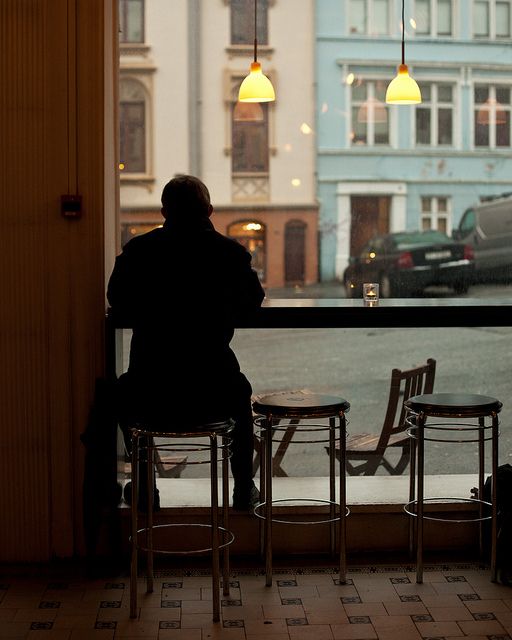
Abhishek sat behind the counter of the dilapidated bookstore on College Street, surrounded by dusty piles of forgotten literature. The narrow lanes outside hummed with the chaotic symphony of honking rickshaws, hawkers, and the distant clang of tram bells. The air in North Kolkata was thick with humidity and history, an undercurrent of unspoken tension that never quite left the streets.

He had been working there for over a year now, disinterested, passing his days without much purpose. The bookstore, a relic of better days, just like the city itself, was run by a man too old to care if Abhi sold books or sat flipping through a newspaper all day. Abhi had once dreamed of making a mark—an aspiring poet with a deep reverence for the leftist ideals he grew up reading—but reality had whittled his dreams down to cynical musings over cups of black tea in the neighborhood cabins.

And that’s when she first walked in.

Aloka, with her disheveled bun and oversized glasses, her hazel eyes scanning the shelves with intense focus. She picked up Ayn Rand’s The Fountainhead, a book Abhi loathed with every fibre of his ideological being. He couldn’t help but scoff. She noticed and raised an eyebrow.

“What’s so funny?”

“Nothing. It’s just… that book,” he said, leaning against the counter, “It’s the Bible of Capitalism, isn’t it?”

Aloka smiled coolly. “And what’s wrong with that?”

Abhi straightened up, sensing a challenge. “Everything.”

From that moment onwards, their relationship would become a constant tug-of-war. Aloka, a fiercely independent feminist, often dived into the works of Ayn Rand and Simone de Beauvoir, while Abhi remained loyal to Marx, Tagore, Zola and Gorky. She frequented the bookstore, often just to argue with him. They would meet after at the small, dimly lit Moonlight Cabin, nestled between old theatres and crumbling libraries, where the musty smell of old books blended perfectly with the earthy aroma of tea and chicken cutlets.

Over endless cups of black tea and filter coffee, they dissected literature, politics, art, and cinema. Their conversations were never easy; they were more like verbal duels, each trying to outwit the other, proving their point. But underneath the incessant sparring was an undeniable chemistry. They disagreed on everything yet felt compelled to keep talking. Aloka loved to provoke him, while Abhi couldn’t resist the intellectual excitement she brought into his otherwise dull, drab, monotonous life.

“Tell me again how you justify capitalism while living in this city?” Abhi would taunt, pointing out the poverty and chaos around them.

“And you tell me how your socialism will work when it is a given fact that human beings are inherently selfish,” Aloka would counter, her eyes gleaming with mischief. She loved to rattle him.

They grew closer in spite of themselves, their guards slowly coming down over time. Abhi began to see Aloka as more than just the woman who read Rand; she was passionate, brilliant, and maddeningly independent. Aloka, for her part, found in Abhi a stubborn idealist, someone who could hold his ground but wasn’t afraid to change his mind. Their debates became softer, their jabs less biting.

But the city outside was changing. A heinous tragedy rocked Kolkata, igniting protests and violence. There were whispers of corruption, of police brutality. The streets became battlegrounds for ideologies clashing—left and right, liberal and conservative. The same lanes they walked through together were now simmering with tension. Rallies and protest marches filled College Street, once home to peaceful discussions, now a site of clashes.

Abhi, ever the idealist, joined the protests, his blood boiling with the injustice of it all. Aloka, though sympathetic, believed that the movement was misguided, that it wouldn’t lead to any real change.

“You’re letting your emotions cloud your judgment,” she told him one evening at the cabin, the hum of the city outside louder than usual.

He sipped on his black tea a little louder than usual, irking her.

“And you’re standing on the sidelines, doing nothing!” Abhi snapped back, frustrated by her indifference.

Their arguments, once playful, became more bitter. The city’s turmoil seeped into their relationship. Abhi felt betrayed by Aloka’s unwillingness to take a stand, while she resented his insistence that there was only one right way to fight for change.

One evening, as the protests reached a fever pitch, curfew was declared. The once vibrant streets of Kolkata were now eerily silent, save for the occasional crackle of police radios and the distant sounds of protest marches. Abhi tried calling Aloka, but she didn’t answer. She was supposed to be at a poetry reading downtown, an area that had become dangerous. Panic kept gnawing at him.

When he finally found her at the bookstore the next day, she was shaken. “I’m leaving,” she said abruptly, her voice tinged with a finality he wasn’t prepared for.

“What do you mean?” His heart sank.

“I’m going to Delhi. I can’t stay here… not with everything that’s happening. This city—” she gestured around helplessly, “It’s suffocating.”

“But Aloka, you belong here,” Abhi pleaded, but deep down, he knew she was right. The Kolkata they had known was changing. The lines had been drawn too sharply. People had chosen sides, and the middle ground they had once occupied together was rapidly shrinking.

She stepped closer to him, her eyes softening for the first time in weeks. “We’ve always disagreed, Abhi. Maybe this is just another disagreement we can’t get past.”

He reached out, but she stepped back. The city’s heartbeat thudded in the distance—a mixture of unrest and resignation.

Aloka left Kolkata the next morning. Abhi stayed behind, working at the bookstore, watching the world he once understood crumble around him.

And yet, every time he picked up a cup of black tea at the Moonlight Cabin or argued with someone over politics, he thought of her. The woman who, despite everything, had made him question his own beliefs and had left behind not just disagreement, but an undeniable mark on his soul. And he would always leave behind an untouched cup of filter coffee on his table.

Copyright (c) Pratik Majumdar, 2024. Any article, story, write-up cannot be reproduced in its entirety or in part, without permission. URL links can be used instead

Love, Kolkata

Kolkata, with its vintage trams, yellow taxis, and the eternal scent of chai brewing at every street corner, was a city that thrived on contradictions. It was where old world charm met a vibrant, modern pulse—a reflection of life itself. And amidst the city’s bustling heart, where honking cars clashed with the sacred chime of temple bells, a quiet love story unfolded—a tender bond between two souls as different as night and day, a living echo of the city’s own harmonious contradictions.

The story of Ritu and Arjun.

Ritu was the kind of girl who was impossible to miss. She’d bounce from one street to another, chatting with strangers, making friends with shopkeepers, and calling out to kids playing cricket on the sidewalk. Her laughter echoed through the narrow lanes, often louder than the jingle of the phuchka vendor’s bell, and she had an uncanny ability to find joy in the simplest of things. A perfectly spiced phuchka, a plate of chowmein at Tiretta Bazaar’s Chinatown, or hot momos from the stall behind her favourite college café—these were her moments of bliss. For her, food wasn’t just sustenance, it was celebration!

And then there was Arjun. Serious, introverted, and careful with his words, he was the exact opposite of everything Ritu was. He preferred the quieter corners of Kolkata—reading books in old College Street, spending peaceful afternoons in the company of his thoughts, or sipping tea while gazing out at the endless expanse of the Hooghly River. It wasn’t that Arjun didn’t enjoy the small pleasures of life, he simply relished them in silence. While Ritu’s world was loud and colourful, his was one of calm contemplation.

They had met on a rainy afternoon, typical of Kolkata’s monsoons. Ritu had been impatiently tapping her foot at a bus stop, water dripping from her umbrella, when Arjun had walked up beside her, looking as though the rain didn’t bother him one bit. She had tried making conversation, but all she had gotten in return were a few polite nods and the occasional “hmm.”

She was undeterred.

Their mostly one-sided conversations grew as they bumped into each other regularly at the bus stop.

“I bet you don’t even like phuchkas,” she had teased one day, out of nowhere.

Arjun, caught off guard, had looked at her blankly. “They’re alright, I suppose.”

That was all it took. The next thing Arjun knew, Ritu had grabbed his arm, pulling him toward a roadside stall. “Come on, let’s fix that. No one just ‘supposes’ about phuchkas!”

And so began their unlikely friendship—one that revolved around food, long walks, and the city they both adored in their own unique ways. Ritu dragged Arjun to places he had never been: to Shiraz, to try the famous biryani (which they always debated over—Ritu loved it with aloo, and Arjun without), to little-known tea stalls where the chai was served extra sweet, and to quiet hideaways where the sunset over the Hooghly seemed to wash away the worries of the world.

For Arjun, it was a revelation. Ritu’s boundless energy breathed new life into his routine, and though he never said it out loud, he began to look forward to their weekend adventures. She made him try foods he’d never think to order—though he stood firm on his refusal of aloo in biryani—and took him on late-night tram rides just to experience the city’s glowing lights. Her joy was infectious, and though he remained as quiet as ever, his eyes always lit up in her presence.

For Ritu, Arjun was a calming force, a quiet harbour in her whirlwind of energy. He never told her to tone down her excitement or rush through life. He simply existed beside her, offering a quiet smile when her stories went on too long and patiently listening when she ranted about the world’s injustices. His stillness gave her a sense of peace she didn’t even know she needed.

Two years passed. They laughed together, argued over biryani, and explored every nook and cranny of Kolkata. Yet, for all the time they spent together, the words neither dared to say hovered between them, unspoken.

It was during the Durga Puja that things began to change. Kolkata was at its most magical, with pandals lit up in all their glory and the streets buzzing with life. Ritu, as always, was caught up in the excitement, pulling Arjun through the crowded streets, her eyes sparkling as she marvelled at the decorations. Arjun trailed behind, quieter than usual, his thoughts elsewhere.

That night, after a long day of pandal-hopping and sampling sweets, they found themselves sitting by the Hooghly River, the cool breeze ruffling their hair. The city hummed around them, but it felt like they were in their own little bubble.

“Arjun,” Ritu said softly, breaking the comfortable silence between them. “Do you ever wonder… if this is enough?”

He turned to her, his brow furrowed. “What do you mean?”

“I mean us,” she said, her voice uncharacteristically unsure. “We’ve been doing this—whatever this is—for two years now. And I wonder… is it enough? Or are we just going to keep going like this, never telling each other what we really feel?”

Arjun was silent for a long moment, staring out at the dark water. He had always been content with the way things were, but now he realised that maybe, just maybe, they weren’t enough.

“I don’t know,” he admitted quietly. “I’ve always thought… if we just kept going, we wouldn’t need to say anything. That you’d know.”

Ritu let out a small laugh, but there was sadness in it. “You of all people should know that silence isn’t always enough.”

Arjun turned to her then, really seeing her for the first time. The laughter was still there, but beneath it, there was something else—something fragile and fleeting. He realised, with a sudden clarity, that he didn’t want this love of theirs, as unspoken as it was, to fade into the background noise of the city.

“I don’t want this to end in silence,” he said, his voice barely above a whisper.

Ritu looked at him, her heart pounding. “Then don’t let it.”

And just like that, amidst the hum of Kolkata’s streets and the gentle flow of the Hooghly, their love story found its voice. Quiet, unhurried, and sweet—just like them.

The city of joy had given them two years of shared laughter, food, and memories. Now, it was time for them to give each other their hearts.

Copyright (c) Pratik Majumdar, 2024. Any article, story, write-up cannot be reproduced in its entirety or in part, without permission. URL links can be used instead

The Night Train

The train rattled through the quiet countryside, its steady rhythm blending with the hushed murmur of passengers. She sat by the window, watching the golden fields stretch endlessly, the setting sun casting a soft glow over the horizon. Her thoughts wandered ahead to her husband, waiting for her at the destination. It was her father-in-law’s 80th birthday, a grand family affair. She’d spent days preparing for it, yet her heart now felt unexpectedly heavy.

As she adjusted her seat, someone slid into the empty spot beside her. She glanced up and froze.

It was him.

The years had been kind to him, mostly. His hair, now streaked with silver, softened his once-boyish charm. But his eyes—those same eyes she once got lost in during high school—still held that familiar warmth.

For a moment, they just stared at each other, the past rushing back uninvited. He broke the silence first. “It’s been a while,” he said with a gentle smile.

She smiled back, uncertain of what to say. She hadn’t expected this—their lives had diverged long ago, and meeting him now, here of all places, felt surreal.

They eased into conversation, the initial awkwardness melting away as memories resurfaced. They laughed over shared moments, the stolen glances, the secret notes passed between classes, and the naive dreams of a future they once thought was theirs.

As the train journeyed on, they fell deeper into the past, talking about who they were back then and wondering what might have been had they not parted ways. She told him about her life now, her marriage, her family. But when she asked about his, he grew quiet. He brushed it off with a soft smile, steering the conversation back to lighter things. But she could sense something weighing on him.

As their destination neared, he looked at her with an intensity that made her heart race. “I’m sorry,” he said quietly. “For breaking up with you all those years ago.”

She opened her mouth to respond, but words failed her.

“I’ve missed you,” he continued, his voice raw with emotion. “I’ve thought about you more times than I can count, wondering if I made the wrong decision. And now…I’ll always regret it.”

She felt a pang in her chest. Her mind screamed that she should say something, anything, but the words tangled in her throat. Instead, she found herself wanting to reach out, to hold him and let him know that everything would be okay. But she didn’t. She couldn’t. Too much time had passed, and their lives were now two separate worlds.

When the train slowed at a station before her stop, he stood up. “I’ll get us some tea,” he said, smiling gently. “Don’t go anywhere.”

She watched as he disappeared into the crowd, the promise of tea and more conversation lingering in the air. But minutes turned into an uneasy stretch of time, and he didn’t return. She panicked as the train began to move.

Her phone buzzed.

She glanced down at the message that had appeared on her screen, her heart dropping as she read his words.

“I boarded this train to go back to my wife’s hometown, the place where she passed away. I lost her to cancer a year ago. We met at the hospital when I was undergoing treatment for it too. I never recovered, and now…I’m going back there to spend whatever time I have left. I couldn’t bring myself to tell you. I’m sorry. But meeting you today… it made me happy, even if just for a moment. Thank you for that.”

Her hand trembled, and tears welled up in her eyes. She stared at the message, letting its weight sink in. She wanted to run after him, to say something, to make sense of it all. But the train had long pulled away from that station, carrying her closer to her destination and further away from him.

As the train finally came to a stop, she stepped off, her legs feeling unsteady. She spotted her husband waiting for her on the platform, his face lighting up when he saw her. Without a word, she rushed into his arms, burying her face in his chest, the tears of her past spilling out as he held her close.

She wasn’t just crying for her old flame or the life they never had. She was crying for the love they had once shared, for the missed chances, for the pain he had quietly carried, and for the way life had unfolded in ways they could never have predicted.

Her husband held her tighter, sensing her need for comfort but not asking why. She didn’t have the words to explain it all. The past had finally said its goodbye, and now, she clung to the present, holding it as tightly as she could.

Copyright (c) Pratik Majumdar, 2024. Any article, story, write-up cannot be reproduced in its entirety or in part, without permission. URL links can be used instead

The Detour

The storm came without warning, fierce winds battering the windows of the bus. Rain lashed against the glass, and the driver’s voice crackled over the intercom. “Road’s flooded. Looks like we’re stuck for the night.”

He sighed, his head pressed on the rain-streaked window. He wasn’t in a hurry to get to the resort where his girlfriend was already waiting for him. A weekend getaway she had planned down to the last detail, but he couldn’t shake off the feeling that it was more for her than for ‘them’.

Across the aisle of the same bus, she glanced at her phone, frustration clouding her face. She too was headed for the resort, where her fiancé—predictable and always in control—had planned their weekend. But now, this storm had thrown all those plans off track.

The driver directed the stranded passengers to a small motel in a nearby town, where they could wait until the storm passed. They both found themselves side by side in the lobby, each clutching their room keys.

“Some storm,” he said with a wry grin as they exchanged glances.

“Yeah, some detour,” she replied, shaking her head with a soft laugh.

They didn’t introduce themselves. It felt unnecessary. They were strangers on the same journey, sharing the same unexpected delay.

The motel wasn’t much—a small, cozy place with a handful of rooms, a flickering fire in the lounge, and a sleepy receptionist who barely noticed them. The rooms were clean, simple, and unremarkable. But the atmosphere was different, almost as though the storm had suspended time, creating a strange bubble where everything else beyond the rain didn’t matter.

Later that evening, after a hot shower, he wandered into the lounge, drawn by the warmth of the fire. He wasn’t surprised to see her there, curled up in a chair with a cup of tea. She looked up when he entered, offering a small smile.

“Mind if I join you?” he asked.

“Be my guest. I was starting to feel like the only one here,” she said, shifting to make space on the couch beside her.

They spent the evening talking, their conversation meandering from the storm to the frustrations of everyday life. It was light at first—banter about the inconvenience of the situation, quick-witted jabs about their stranded fate. But soon, the conversation deepened in a way neither of them expected.

“I wasn’t exactly in a hurry to get to the resort anyway,” he confessed, staring into the flames. “My girlfriend’s already there. She’s probably more excited about the fancy dinners and other activities she’s planned, than I am.”

The girl smiled, nodding in understanding. “Same here. My fiancé… he’s one of those people who likes everything in order. But sometimes, I wonder if I’m just part of the schedule.”

They both laughed, but beneath the humour, there was something else—a quiet, subtle recognition of their shared dissatisfaction. They spoke easily, the kind of conversation that felt effortless, with none of the barriers that usually exist between strangers.

There was a strange freedom in being two people with no expectations, just existing in the moment.

As the fire crackled and the rain drummed steadily against the windows, he looked at her, his voice softening. “It’s funny, isn’t it? How a storm can just… stop everything, force you to slow down.”

She met his gaze, her eyes thoughtful. “Maybe it’s what we needed. A break from the plans. From the routines.”

They fell silent, the warmth of the fire making the room feel smaller, more intimate. After a while, he spoke again, a little more hesitant this time.

“Can I ask you something?” he said.

“Sure.”

“What would you be doing right now if the storm hadn’t happened?”

She thought for a moment, her expression shifting. “I’d probably be sitting at a fancy dinner table, listening to my fiancé talk about his plans for the next six months.”

“And would you be happy?” he asked, his voice gentle but probing.

Her smile faded a little, and she looked down at her hands. “I don’t know,” she admitted. “I think I’d be going through the motions. Sometimes, I wonder if I’ve been doing that for a while now.”

They exchanged a glance, one that lingered a little too long, and something unspoken passed between them. It wasn’t the kind of attraction that came from the obvious chemistry they shared, alone. It was deeper, a recognition of shared discontent, of being stuck in lives they hadn’t fully chosen for themselves.

The next morning, the storm was still raging. They ventured into the little town together, braving the rains, wandering through quaint shops and quiet streets, laughing at the absurdity of it all. The rain didn’t seem so bad when they were together, and as they huddled under the same umbrella, their shoulders brushing, the connection between them growing.

At a small café, sipping hot coffee, she  looked at him, her expression softening. “This is the most fun I’ve had in a long time.”

“Me too,” he admitted, his eyes bright with the same realization. “It’s strange, isn’t it? How you can meet someone and feel like you’ve known them for ages.”

They shared more stories, laughter filling the small space as if it had always been theirs. Every moment felt heightened, more meaningful, as though the storm had washed away the pretence of their other lives.

Back at the motel that evening, they sat by the fire again, closer now, their conversation growing more personal, more intimate. They talked about their dreams, their fears, the unspoken doubts about their relationships that neither had been brave enough to admit before. He made her laugh with his dry humour, and she charmed him with her wit and sincerity.

At one point, the firelight flickered, casting warm shadows across their faces. He reached out, brushing a stray lock of hair from her forehead. She didn’t move away, her breath catching slightly as their eyes met.

“I never expected to meet someone like you,” he said softly, his voice low.

“Neither did I,” she whispered back.

For a moment, the world outside the motel faded completely. There was only the warmth of the fire, the sound of the rain, and the quiet intensity between them. Their hands brushed, a simple touch that sent a spark through both of them. They leaned in, their faces inches apart, but neither of them crossed the final distance. It was enough, in that moment, to simply be there together.

The next morning, the storm had passed. The roads to the resort were cleared, and reality came crashing back in. They stood outside the motel, their bags packed, the bus waiting to take them to their respective partners.

“So… I guess this is it,” she said quietly, her voice thick with unspoken emotion.

“Yeah,” he replied, though the words felt wrong.

They stood in silence, each of them facing a choice they hadn’t expected to make. The lives they were meant to return to felt distant now, as though they belonged to someone else.

Finally, she spoke, her voice soft. “What if we didn’t go back?”

He looked at her, startled by the suggestion, but also relieved to hear the thought he hadn’t been brave enough to voice himself.

“Do you think fate brought us here for a reason?” she asked, her eyes searching his.

He reached for her hand, intertwining his fingers with hers. They stood there like that, neither of them moving, as the sound of the bus engine starting echoed faintly in the background.

Neither of them spoke. The only sound was the hum of the engine and the rhythmic patter of raindrops against the glass.

Would they get on to the waiting bus?

The storm was long gone, but inside, something lingered—an unspoken question that neither of them was quite ready to answer.

Copyright (c) Pratik Majumdar, 2024. Any article, story, write-up cannot be reproduced in its entirety or in part, without permission. URL links can be used instead

The Stranger by the Sea

She stood at the edge of the water, the cool breeze brushing her face, the horizon melting into shades of pink and orange as the last rays of the sun fell on the sea. It had been years since she had felt this kind of peace. Life, with its unrelenting demands, never allowed space for such moments anymore. A young son, a loving husband, a home to care for—all of which she adored. But here, with her two friends at the seaside resort, away from her routine, she finally exhaled.

She felt free. 

It was their second evening at the resort when she noticed him. A solitary figure, sitting on the far end of the beach, flipping through a book. The sand beneath him was littered with shells, the remnants of the day’s tide. He didn’t seem to notice her, yet she felt a pull, as if he belonged in this moment, on this stretch of sand.

Their first encounter was casual. She and her friends had decided to explore the local market, but she had lingered by the beach a little longer as they left, watching the waves crash against the rocks. He had appeared then, close enough to say something, but far enough for her to decide if she wanted to engage.  

“Beautiful evening, isn’t it?” His voice was calm, as if he were commenting on the weather to an old acquaintance. 

She had nodded, offering a small smile, and they had walked together, just the two of them, the conversation growing naturally. They spoke of books, the music they both loved, art and literature that had shaped their worlds. It was rare to meet someone who shared such a passion for the same things, who seemed to understand the quietness of thoughts left unsaid. It was their first meeting but she felt she knew him from before. 

Over the next few days, they began meeting by the sea, their walks stretching into longer conversations. The connection between them was undeniable—he was easy to talk to, attentive, and his words stirred something in her that had long been dormant. 

But she never mentioned her life back home. And he never asked. It was an unspoken rule between them, to keep this world separate from the one she would soon return to. And yet, she found herself looking forward to their time together. There was a gentle rhythm to it—waves, walks, words exchanged without expectation.

On the final night before she was to leave, the air between them felt different. She sensed it in the way he looked at her, as if he were waiting for something. They walked to the same rocky point at the edge of the beach, the moonlight casting long shadows on the sand. 

And then, as they stood in silence, she realized where she knew him from.

The familiarity she had felt wasn’t just a passing connection—it was from her past. The memories began to unfold. He was someone she had known years ago. Back in school. They had been close friends, sharing their dreams and stories, promising to stay in touch. And then, life had taken them on different paths, as it so often does.

She looked at him, her heart racing. Did he remember? Had he known all along? She couldn’t ask, afraid of disrupting the fragile balance they had built. Instead, she laughed nervously, brushing her hair from her face. 

“You remind me of someone I used to know,” she said, her voice barely above a whisper, testing the waters.

He turned to her, his eyes soft but unreadable. “Do I?” he asked, a small smile playing at the corners of his lips.

For a moment, she thought he would say more, but he didn’t. They stood there, the waves breaking against the rocks, time stretching between them like an unsaid truth. 

Perhaps he had recognized her. Perhaps he hadn’t. Either way, it didn’t matter. What mattered was this fleeting, nameless connection that existed only in the space of their shared days. Tomorrow, she would return to her life, to her husband, to her son. And he would remain a stranger, a memory she would carry with her, unspoken but never forgotten. 

As they walked back along the beach, she wondered if he would ever tell her. But some stories, she realized, are best unfinished, wrapped in the mystery of what could have been.

Copyright (c) Pratik Majumdar, 2024. Any article, story, write-up cannot be reproduced in its entirety or in part, without permission. URL links can be used instead