
The Dinner

The restaurant sat on the edge of a fading city square, its neon sign flickering weakly in the winter evening. Arjun arrived first, his heavy coat wrapped tightly around his frame. The years had not been kind to his once-athletic build, though his thick salt-and-pepper hair and thick black framed glasses, gave him an air of dignity. He chose a corner table, away from the noise of the bar, and ordered a scotch for himself. 

As he waited, he checked his phone for messages—a habit he hadn’t shaken even after years of silence. The last time he and Nikhil had spoken, it had been through a brief exchange of texts, a “let’s catch up soon” thrown in almost mechanically. But tonight, after all these years, they’d finally made it happen.

The door opened, and Nikhil walked in, dapper in his sharp suit, his gait confident. Arjun waved, and Nikhil broke into a smile—a wide, familiar grin that hadn’t changed since their college days.

“Late, as always,” Arjun teased as Nikhil slid into the seat across from him.

“Some things never change,” Nikhil shot back, loosening his tie. “Although I see some things do,” he added, looking Arjun up and down.

“Good to see you too,” Arjun said, rolling his eyes. But the warmth at seeing his old friend overrode the sarcasm. 

“Whiskey for you too, the regular?” 

“Nopes. I’d rather have a beer tonight. After ages” Nikhil replied as he slid back on his chair a tad more comfortably. 

The conversation began with the usual pleasantries, skimming the surface of their lives. Arjun worked as a mid-level manager at a logistics firm, stuck in the same job for the last decade. Nikhil was a partner at a law firm, his name occasionally appearing in the papers for high-profile cases.

“You’ve done well for yourself,” Arjun remarked, eyeing Nikhil’s polished watch and crisp attire.

“And you’ve… aged gracefully,” Nikhil quipped, but there was no malice in his tone.

The conversation meandered through safe topics—mutual friends, family, the city’s ever-worsening traffic. But as the drinks flowed and the hours stretched, the conversation turned deeper, as it always did with them.

“You ever think about what we wanted to be?” Arjun asked suddenly, swirling his glass.

“What do you mean?”

“You know, back in college. We had all these dreams, all these plans. I was going to start my own business. You were going to become a writer.”

Nikhil laughed, but it was hollow. “Ah, yes. The novel I never wrote. Still sitting in a folder somewhere on my laptop. One day, maybe.”

“Do you ever miss it?” Arjun pressed.

Nikhil hesitated, his smile fading. “Sometimes. But life happens, doesn’t it? Bills, deadlines, responsibilities. You wake up one day and realize the life you’re living isn’t the one you planned—it’s just the one that happened to you.”

Arjun nodded, the words striking a chord. “You know, I tried once. To start a business, I mean. After Rina left.”

Nikhil looked up sharply. “You never told me that.”

“What was there to tell? It failed. Miserably. Took out a loan, sunk all my savings into it. By the time I realized it was a sinking ship, it was too late. I’m still paying it off.”

For a moment, neither of them spoke. Then Nikhil said softly, “I didn’t know things were that bad.”

“I didn’t want to tell anyone,” Arjun admitted. “Especially not you. You were doing so well, I didn’t want to seem like some pathetic loser.”

Nikhil leaned forward, his voice earnest. “Arjun, you’ve never been a loser. You’ve been through more than most people could handle, and you’re still standing. That’s something.”

Arjun chuckled bitterly. “Standing, maybe. But barely. And what about you? Do you ever feel like you’re just… going through the motions?”

Nikhil hesitated, his jaw clenching, his grip on his beer bottle tightening. He looked around the room, as if searching for an escape, before finally meeting Arjun’s gaze. 

“Every damn day,” he said quietly. “The big house, the car, the fancy suits—it all looks good from the outside. But the truth is, I’m barely keeping it together. The firm’s not doing as well as it used to. I’ve been dipping into my savings to cover expenses. And… Shruti and I are separated. She moved out six months ago.”

Arjun stared at him, stunned. “Why didn’t you tell me?”

“Because I didn’t want you to know,” Nikhil said with a shrug. “I didn’t want anyone to know. It’s funny, isn’t it? We spend our whole lives pretending we’ve got it all figured out, when the truth is, we’re all just trying not to fall apart.”

The words floated in the air, filled with truth.

“I miss her,” Nikhil admitted after a moment. “Even after everything, I still miss her.”

Arjun nodded, understanding. “I miss Rina too, sometimes. Even though it’s been years.”

“Remember Maryam, the girl I liked but gave up on because you liked her too? “

“Yeah right. As if she had any interest whatsoever in you. You used me as a convenient excuse, to leave with your dignity intact.”

Both of them laughed at their reminiscence. 

They sat in silence for a while, the weight of their shared struggles settling between them. But it wasn’t an uncomfortable silence. It was the kind of silence that only came with a friendship forged over decades—the kind of silence that offered the comfort of understanding. 

“You know,” Arjun said finally, “I think the only time I ever feel like I can be completely honest is when I’m talking to you.”

“Same,” Nikhil admitted. “The rest of the world is too quick to judge. But with you, I don’t have to pretend.”

They raised their glass and beer bottle in an unspoken toast, the drinks catching the light as they clinked them together.

As they stepped outside, the cold air bit at their faces. The city was asleep now, the quiet punctuated only by the occasional distant hum of a passing car.

Arjun declined Nikhil’s offer of a ride, saying he wanted to walk. As they stood by the curb, Arjun said, “Thanks for tonight. I didn’t realize how much I needed this.”

“Me too,” Nikhil replied, clapping him on the shoulder.

As Arjun walked away, his steps were lighter, his heart a little warmer. Life was still messy, still uncertain, but for the first time in a long time, he didn’t feel alone.

Nikhil watched his friend disappear into the shadows, shoving his hands deep into his coat pockets. His breath clouded the air as he stood there, unmoving. Something inside him felt lighter—like a door he’d long kept shut had finally creaked open.

He thought about the evening, about how easy it had been to talk to Arjun even after so many years. There was no pretense, no judgment. Just the unspoken understanding of two men navigating lives that hadn’t quite turned out the way they had planned.

For Nikhil, who spent his days in boardrooms and his nights in an empty house, that connection was everything. It reminded him that no matter how much he stumbled, no matter how far he fell, there would always be someone who saw him—not the lawyer, not the name on the door, but him.

As he walked to his car, the city lights blurring in the cold, he felt a strange sense of peace. He wasn’t sure what tomorrow would bring—whether the firm would survive another quarter, whether Shruti would ever come back. But tonight, he had been reminded of something he’d almost forgotten: in the quiet zone of an old friendship, there was always room to find yourself again.

Copyright (c) Pratik Majumdar, 2024. Any article, story, write-up cannot be reproduced in its entirety or in part, without permission. URL links can be used


Jacob’s Basement

Jacob lived alone at the edge of a forest no one cared to name, in a house that had forgotten what it meant to be a home. It stood lonely and decrepit, almost like a skeleton with loose skin. The walls of the house had never seen a second coat of paint ever since its inception. Hung on them were sepia tinged photographs which spoke of happier times and a fuller family. But the dust of time had made them unrecognisable now. 

He rarely left his house. Never in fact except a monthly visit to the town centre for his groceries. Everyone knew him as the strange loner who stayed by himself in the house by the woods. He liked it that way. Solitary. He typed on his battered laptop and sent his writings to a local newsletter. That was his only contact with the rest of the world.

Inside, silence reigned—a silence so deep and heavy that it felt alive, pressing against the walls, seeping into the cracks, and gnawing at Jacob’s thoughts. The occasional creak of the floorboards or the faint scratching of unseen creatures burrowing in the walls only served to accentuate the oppressive stillness.

But there was one place Jacob refused to think about: the basement.

He avoided the door, a warped relic at the far end of the kitchen. Its chipped surface seemed to pulse with its own life, an unspoken warning to leave it untouched. He didn’t know why, but he’d never set foot down there, not in all the years he’d lived in the house.

The first time he heard the voices, he convinced himself it was the wind. A faint, fragmented murmuring that wove through the cracks of the house like a thread pulled taut. But the wind didn’t sound like that. The wind didn’t whisper your name.

“Jacob…”

At first, he laughed it off, shaking his head as he turned up the volume on the old radio in the corner. The jazz station crackled and hummed, filling the kitchen with static-laden notes. But even then, beneath the music, the voices persisted—soft, insistent.

“Jacob… come down.”

It wasn’t just one voice. It was many, overlapping and layered, a fractured symphony of murmurs that seemed to rise from the floor itself. He told himself it was nothing, the product of loneliness or the house settling into itself.

But the whispers grew bolder.

By the second week, Jacob began to notice other things. Objects he was certain he’d left in one place would appear somewhere else. The chair at the kitchen table, which he’d pushed in after dinner, was slightly askew the next morning. His keys, always left on the countertop, were found on the floor.

And the smell.

It started faint, like something forgotten and rotting in the walls, but grew stronger by the day. It wafted up from beneath the basement door—a cloying, sickly-sweet stench that clawed at the back of his throat.

“Just a raccoon,” he muttered to himself one morning, staring at the door with bloodshot eyes. “Got in through the vents. That’s all it is.”

But the whispers grew louder.

“You know what you did.”

“Come down, Jacob. Face it.”

At night, he pressed pillows against his ears, but the voices seeped inside his head, rooting themselves like parasites. Sleep became a memory, and Jacob stumbled through his days in a haze, his mind unraveling thread by thread.

And then, one storm-drenched night, the whispers turned into screams.

They rose like a gale, rattling the windows and shaking the foundation of the house. Jacob bolted upright in bed, his heart hammering in his chest.

“COME DOWN, JACOB!”

The walls seemed to reverberate with the command, and something in him snapped. He couldn’t take it anymore. With trembling hands, he grabbed a flashlight and stumbled into the kitchen, his bare feet slapping hard against the cold tile floor.

The basement door loomed before him, warped and swollen with years of humidity. The smell hit him like a punch, strong and disgusting,  nearly driving him to his knees.

He yanked the door open.

The darkness beyond was complete, a void that seemed to stretch infinitely downward. He hesitated at the top of the stairs, the flashlight trembling in his grip.

“Come closer, Jacob.”

The voices were no longer whispers; they were a chorus now, rising and falling like the tide. His breath hitched as he descended, each creaking step drawing him closer to whatever waited below.

At the bottom, the stench was suffocating. The beam of his flashlight cut through the thick air, illuminating nothing but cobwebs and dust. The basement was empty—or so it seemed.

But then he saw it.

In the far corner, beneath a pile of rotting wood, something pale protruded from the dirt. He froze, his flashlight shaking as the beam flickered across it. A hand.

The whispers erupted into laughter, cold and hollow.

“You forgot, didn’t you?”

“Look closer.”

His legs felt like jelly as he approached the corner, his mind screaming at him to turn back. With shaking hands, he moved the wood aside. The dirt beneath was loose, disturbed. And then he saw more—a second hand, curled and skeletal, clawing its way toward the surface.

Memories came flooding back, sharp and merciless.

The woman at the bar. Her laughter. The fight. The way her head had struck the counter, the sickening crack of bone. The frantic digging in the dead of night, his hands caked in blood and soil.

But it wasn’t just her. There had been others. So many others.

“No,” he choked, staggering backward. “No, no, no…”

The dirt began to shift. Hands—dozens of them—emerged from the earth, clawing upward. Faces followed, eyeless and rotted, their mouths stretched wide in silent screams.

“You buried us, Jacob.”

“All of us.”

He turned and bolted up the stairs, his heart hammering against his ribs. The voices rose behind him, a wall of sound that seemed to chase him through the house.

By the time he reached the kitchen, he could barely breathe. He slammed the basement door shut and sank to the floor, his body trembling.

But the whispers didn’t stop.

Days passed, and the house fell silent. When the townsfolk finally arrived to check on Jacob, drawn by the absence of his monthly trips for supplies, they found the house abandoned.

Inside, the air was thick and stagnant. The kitchen table was set for one, the chair neatly pushed in. But the basement door hung ajar, the darkness beyond it yawning wide.

In the corner of the basement, beneath the disturbed earth, something shifted.

A hand reached up.

And then another.

Copyright (c) Pratik Majumdar, 2024. Any article, story, write-up cannot be reproduced in its entirety or in part, without permission. URL links can be used

Moments

The café sat at the corner of a sleepy street, its wide windows fogged with the breath of winter. Inside, the air was warm and rich with the scent of coffee and croissants. The walls were a patchwork of faded photographs and shelves cluttered with mismatched books, the kind no one really read but couldn’t bear to part with. A faint hum of conversation drifted through the room, blending with the clinking of cups and the soft scrape of chairs.

She always arrived first. She liked the quiet moments before he walked in, when she could claim their usual table by the window. Her scarf lay neatly folded on the chair beside her, and her hands curled around a cup of green tea, warming her fingers. Outside, the rain fell in a steady rhythm, streaking the glass with tiny rivers.

He came in a few minutes later, pushing the door open with a soft jangle of the bell. His hair was damp from the rain, and his coat smelled faintly of the cold. He spotted her instantly and gave a small smile, the kind that felt more like an old habit than an effort. He took off his coat, carefully placed it over the back of his chair, and sat across from her.

They didn’t need to speak right away. It wasn’t the kind of silence that asked for explanation. She opened her sketchpad and started drawing, her pencil moving in slow, measured strokes. He pulled out a notebook and flipped through the pages, landing on a half-written poem. Their rituals were different but somehow intertwined, like two melodies that fit together without trying too hard. 

He never spoke much about the cracks in his relationship, the quiet distance that had settled between him and the woman he shared a home with. But every now and then, his voice would falter, his words brushing against the edges of his unhappiness. She never pried. Instead, she would look at him with that calm, knowing expression, the one that seemed to say, I know, I understand.

And she did. Her own marriage had crumbled years ago, its ruins still casting long shadows over her life. It wasn’t something she talked about often, but on quiet afternoons like this, when the rain softened the corners of the world, she’d mention it in fragments—a story unfinished, like those sketches in her pad.

In their shared silences, there was a mutual recognition, a quiet acknowledgment of what they carried within. They didn’t try to fix each other. That wasn’t what this was. Instead, they offered each other a kind of refuge—a place where the cracks in their lives didn’t have to be hidden.

The rain outside softened to a drizzle as the hours passed, though neither of them noticed. Her tea and his espresso went cold, their work forgotten, and yet the moment felt whole, like something worth keeping. It was always like this with them—no grand declarations, no need to define what they were. Just a quiet understanding, a warmth that lingered long after they had gone their separate ways.

That was the thing about them. They never tried to make more of it than it was. And yet, as he walked her to the door that evening, her umbrella sheltering them both, he thought he’d never felt more at peace. They said goodbye with a nod, a faint smile, and then went their separate ways.

But the cafe stayed with them, and so did those moments, tucked away like a well-loved book they might revisit someday. It wasn’t love, not in the way most people thought of it. But it was something rare and more precious, a connection, a companionship, a comfort, that felt like home. 

And that always felt enough.

Copyright (c) Pratik Majumdar, 2024. Any article, story, write-up cannot be reproduced in its entirety or in part, without permission. URL links can be used

The Table By The Window

The café sat tucked in a quiet corner of the city, the kind of place where the hum of life seemed softer, where time stretched lazily, curling around steaming cups of coffee and the rustle of newspapers. It was where two strangers met—every day, almost—but never quite.

He sat by the window. She sat by the counter.

At first, it had been a coincidence, a ripple in the routine. He arrived early, flipping open his book, letting sunlight pour onto his table. She came in a little later, always looking slightly rushed but composed, carrying herself with the faint elegance of someone trying not to be noticed. And yet, he noticed. Her eyes lingered on the pastries for just a moment too long before she ordered her cappuccino, plain and unsweetened.

They didn’t speak. They never had. But every day, as the hour passed, something quiet grew between them. A shared stillness. A glance. An almost-smile.

Some days, they waited. She sat at her table, nervously folding napkins into little creases. He had seen her glancing at the door—once, twice, then deliberately looking away. He knew that look because he wore it too. Waiting was its own kind of ache. When her partner arrived, with hurried footsteps and half-apologies, he saw her straighten, hide the weight of her wait behind a smile that didn’t quite reach her eyes.

Other days, he waited. His partner came in, all perfume and brisk conversation, sliding into the chair across from him with an energy that overwhelmed the quiet. He nodded, made small talk, but his eyes wandered. Not far—just across the room, where she sat, stirring her drink long after the sugar had dissolved.

Their eyes met sometimes. Just briefly, like two raindrops colliding on a windowpane—there, and then gone. Neither looked away first. And in that lingering gaze, there was understanding. Not longing, not quite. 

But a silent recognition: I see you. I know.

Time wore on. Seasons changed. The light at the café window turned from bright gold to dusky amber. The barista began to recognise them, smiling warmly as he prepared their usual orders.

The girl’s relationship crumbled slowly, like sugar melting in hot coffee—imperceptible at first, until it was just… gone. She didn’t cry, not here, not where he might see. But one day, when she came in alone, something about her was different. Her hands no longer trembled when she folded napkins. Her coffee stayed full longer because there was no one to rush her through it.

He watched, carefully not watching. He was alone, too, now—though his parting had been less quiet. A week ago, his partner had left the café in a swirl of anger, voice sharp enough to draw stares from the tables nearby. He had sat there afterwards, frozen in the aftermath, unsure of what to do. She had been there then, too, a still point across the room. She hadn’t looked at him that day, but she didn’t need to. Her presence, her silence—it had been enough.

By late autumn, something had changed.

They were both alone now, though neither acknowledged it. The café was quieter than usual, the drizzle outside painting streaks on the window where he sat. She had come in, coat speckled with rain, hair damp at the ends. She paused, just inside the door.

For a moment, their eyes met, and this time, something lingered.

She smiled. Not a full smile, just a tiny curve of her lips, soft as the rain outside. He responded, almost involuntarily, like the movement had been waiting in him all along.

And then, she moved to the counter, ordered her cappuccino, and turned away.

He looked down at his book, though he wasn’t reading. Something swelled in the silence—a feeling unspoken, unnamed.

Today, she didn’t sit at her usual table. She walked past it, pausing halfway across the room before taking a seat by the window—at the table next to his.

His heart stilled for a moment, as if unsure of what to do. She hadn’t looked at him, not directly, but he knew she was waiting. Not for someone else this time.

And so, he closed his book. Slowly, deliberately, he got up, leaving his table behind.

She saw him get up from the corner of her eyes. She didn’t turn her head to see. Her fingers kept tracing her coffee mug as she could feel his presence coming closer. She had to relax her breathing to control her excitement. That first flush. 

Outside, the rain slowed, turning into mist. The café lights glowed golden against the deepening blue of twilight.

As he stood there, his voice waiting to form words, something shifted—subtle, undeniable—between them.

It wasn’t a promise, but it was a beginning. And for the moment that felt enough.

Copyright (c) Pratik Majumdar, 2024. Any article, story, write-up cannot be reproduced in its entirety or in part, without permission. URL links can be used

Absent Echoes

The Disappearance

Rishi Mukherjee was a man most people overlooked. A middle-aged, soft-spoken man with graying hair and a slight stoop, he moved through life like a shadow. To his wife Anuradha, he was dependable but dull. To his teenage son Rahul, he was strict, a relic of a generation that didn’t understand modern life. To his colleagues at work, he was diligent, the kind of man who blended into the background.

On an unremarkable Tuesday morning, Rishi disappeared. He left no note, no explanation. His shoes were by the door, his phone on the dining table. Anuradha assumed he’d gone out for his morning walk. But as the hours passed, unease set in.

By evening, she called the police. They took down his details—age, height, distinguishing marks—but their lack of urgency was obvious to everyone around. Men like Rishi didn’t just vanish; they were predictable, ordinary. He’d turn up, they said.

But Rishi didn’t.

The First Message

Three days later, the first message came. Anuradha opened her email to find a single line:

“I’ve been drowning in silence, but no one noticed. R.”

Her stomach tightened. She dismissed it as a cruel prank. But that evening, Rahul came home from school pale-faced. He’d found a note in his locker:

“A father shouldn’t have to beg for his son’s attention. R.”

Anuradha’s unease turned to fear. She called the police again, but they were skeptical. “Do you recognise the handwriting?” they asked. She didn’t.

The messages kept coming. To Rishi’s colleagues, his boss, even his old friends. Each one was personal, cutting, revealing fractures in their relationships with him.

To his boss:

“You took my years and gave me scraps in return. R.”

To his childhood friend Sudip:

“I carried our friendship alone while you let it wither. R.”

Each message made its recipients squirm with guilt. Rishi’s absence was no longer a mystery—it was an indictment.

A Trail of Pain

As the messages mounted, Anuradha began to reflect on her life with Rishi. They had been married for 21 years, but she couldn’t remember the last time they’d truly spoken. He had tried, she realised now. The nights he stayed up waiting for her to come home from her work events. The way his face would light up when he shared a new idea for their son’s future, only for her to dismiss it.

Rahul, too, was haunted by guilt. His father had tried to connect with him—teaching him chess, asking about his school projects—but Rahul had been too busy, too resentful.

Even Rishi’s boss, Mr. Chatterjee, who had prided himself on running an efficient office, began to feel uneasy. He remembered Rishi’s quiet complaints about the workload, the bullying from a senior colleague. He had ignored them all.

Anuradha searched their home for clues and found a hidden notebook in the study. Its pages were filled with unsent letters:

“Dear Anuradha,

I don’t know how to reach you anymore. The walls in this house feel taller every day…”

“Dear Rahul,

I’m trying to be the father you need, but I feel like I’m failing…”

Each letter was a plea for connection, a cry they had all ignored.

The Riverbank

A week after the messages began, Anuradha received another email:

“The river remembers everything. Look deeper. -R.”

She knew the spot. Rishi often sat by the riverbank, a quiet place where he claimed to find peace. She and Rahul rushed there, hoping to find him. Instead, they found a satchel buried under the damp soil.

Inside were a series of audio recordings labeled with dates. Anuradha played the first one and heard Rishi’s voice: raw, trembling.

“Today, I told Anuradha I wasn’t happy. She laughed it off. Said everyone feels that way. I think she’s right—maybe it’s just me…”

The recordings chronicled years of despair, his growing sense of invisibility. Along with the tapes was a map, marked with places Rishi frequented—his office, their home, the riverbank.

Anuradha took the map to the police, who declared the case a likely suicide. But she wasn’t convinced.

Support Group

Following the map’s trail, Anuradha discovered Rishi had been attending a support group for individuals struggling with depression. At first, she felt relief—he hadn’t been entirely alone. But her relief turned to dread as she learned more about the group.

Several members had disappeared over the years, leaving behind cryptic notes like Rishi’s. The group’s leader, known only as “The Guide,” preached radical detachment: leaving behind everything that caused pain.

“Some people,” The Guide once said, “can only start over by becoming nothing.”

Had Rishi been manipulated into leaving? Or had the group given him the courage to disappear?

The Final Message

Months passed. The messages stopped. The police closed the case, labelling it an unresolved missing person’s file. Life crept back to a fragile normalcy for Anuradha and Rahul.

Then, one winter morning, a package arrived. Inside was a photograph of Rishi, sitting on the porch of a small cottage in a remote village. He looked older but healthier, more alive than she’d ever seen him.

The note with the photograph read:

“I had to leave to find myself. Don’t look for me. It’s better this way. -R.”

Anuradha clutched the photo, conflicted between relief and sorrow. She wanted to find him, to bring him home, but she also understood. Perhaps he truly needed this.

That night, as she stared at the photo, Rahul called her from his room. He’d found a small camera hidden in their living room clock. Someone had been watching them.

Anuradha’s heart raced. She turned back to the photo. Was it truly Rishi who sent it? Or had someone else orchestrated everything?

In the reflection of the window, she thought she saw a figure standing behind her. She turned sharply, but the room was empty.

The echo of his absence lingered, heavier than ever.

(Absent Echoes is a story of guilt, connection, and the haunting truths we often overlook in the people closest to us.)

Copyright (c) Pratik Majumdar, 2024. Any article, story, write-up cannot be reproduced in its entirety or in part, without permission. URL links can be used instead

Three Shadows (concluding part)

As dawn broke over the city, the hospital room remained shrouded in an oppressive silence. The monitors surrounding Raagini’s bed emitted faint, rhythmic beeps, a fragile reminder of the life that clung on. Outside, a new day began for the bustling city, but for those entwined in this tragedy, time seemed to stand still.

In the quiet town, Ashish wandered aimlessly, the salty air stinging his face as waves crashed against jagged rocks. He had stumbled upon a derelict church by the shore, its crumbling walls and broken stained-glass windows a fitting metaphor for his life. Sitting on the cold stone steps, he gazed at the endless sea, lost in thoughts of a love that had once been so full of promise.

When had it all changed? The answer eluded him, but the cracks had begun to show long before Rajat entered their lives. The endless late nights at work, the arguments over trivial things, and the unspoken loneliness that had settled between them like an unwanted guest. He had once loved Raagini with a passion that burned brighter than the sun, but somewhere along the way, their lives had become a series of polite silences and cursory gestures.

Ashish’s thoughts turned to the fateful evening, the images now vivid in his mind. The shock of finding Raagini with Rajat, the argument that had spiraled into chaos, and her desperate act to stop the madness. MIdway into their argument she had gone in the room. Only to return with a gun and point it at her own head. He had acted on instinct, grabbing the gun from her hand, only to see the worst unfold before his eyes.

“I never wanted this,” he whispered to the waves, his voice cracking.

As he stared at the horizon, he felt an eerie calm descend over him. The sea called to him, its infinite depths offering an escape. Ashish stood, his mind made up, and began walking toward the water, each step heavier than the last. The icy waves embraced him, and he let them pull him under, his final thoughts a mix of regret and love.

Rajat sat alone in his darkened apartment, the walls closing in on him. He had not stepped out since the night of the shooting, paralysed by guilt and fear. The memories haunted him—Raagini’s smile when they first met, the spark that had drawn them together, and the chaos that had destroyed everything.

He remembered the art exhibition vividly, the first time he had seen Raagini. She had stood in front of a painting, her head tilted slightly as if trying to decode its mysteries. They had struck up a conversation, bonding over their shared love for art. What began as harmless messages about exhibitions and galleries soon turned into long conversations about life, dreams, and disappointments.

“I should have walked away,” he muttered, his voice barely audible. But he hadn’t. He had stayed, drawn to her in ways he couldn’t explain. She had become his solace, his strength, and he, hers. But the heaviness of their actions now bore down on him like an iron chain.

Rajat’s heart raced as he thought of Raagini lying motionless in the hospital. His chest tightened, and he clutched at it, gasping for air. The guilt was too much. He collapsed onto the bed, his mind filled with memories of her, his last thought, a futile wish to see her smile again.

When the landlord found him the next morning, Rajat’s lifeless eyes stared at the ceiling, his hand clutching a photo of Raagini.

At the hospital, Raagini’s condition remained unchanged. The doctors hovered nearby, their faces etched with concern. The two bullets had caused extensive damage, and while they had managed to stabilise her initially, her body was slowly giving up.

Inside the room, the machines continued their relentless beeping. Raagini’s face was serene, as if she were finally at peace. The medical team exchanged glances, knowing there was little more they could do. The inevitable was approaching.

News of Ashish’s disappearance spread quickly. Fishermen found his body washed ashore two days later, his face calm in death. The media had a field day with the story—love, betrayal, and tragedy painted in bold headlines.

When Rajat’s death was discovered, the narrative grew even darker. Speculations ran wild, but the truth remained buried with those who had lived it.

Raagini never woke up. Her body finally gave out, the machines around her falling silent. The doctors pronounced her dead in the early hours of the morning, marking the end of a story that had begun with love and ended in heartbreak.

The apartment where it all began remained empty, a ghostly reminder of the lives that had once filled it. The photographs on the walls were taken down, the furniture sold, and the bloodstains scrubbed away. But the memories lingered, an unshakable part of the city’s history.

Copyright (c) Pratik Majumdar, 2024. Any article, story, write-up cannot be reproduced in its entirety or in part, without permission. URL links can be used instead
Three Shadows

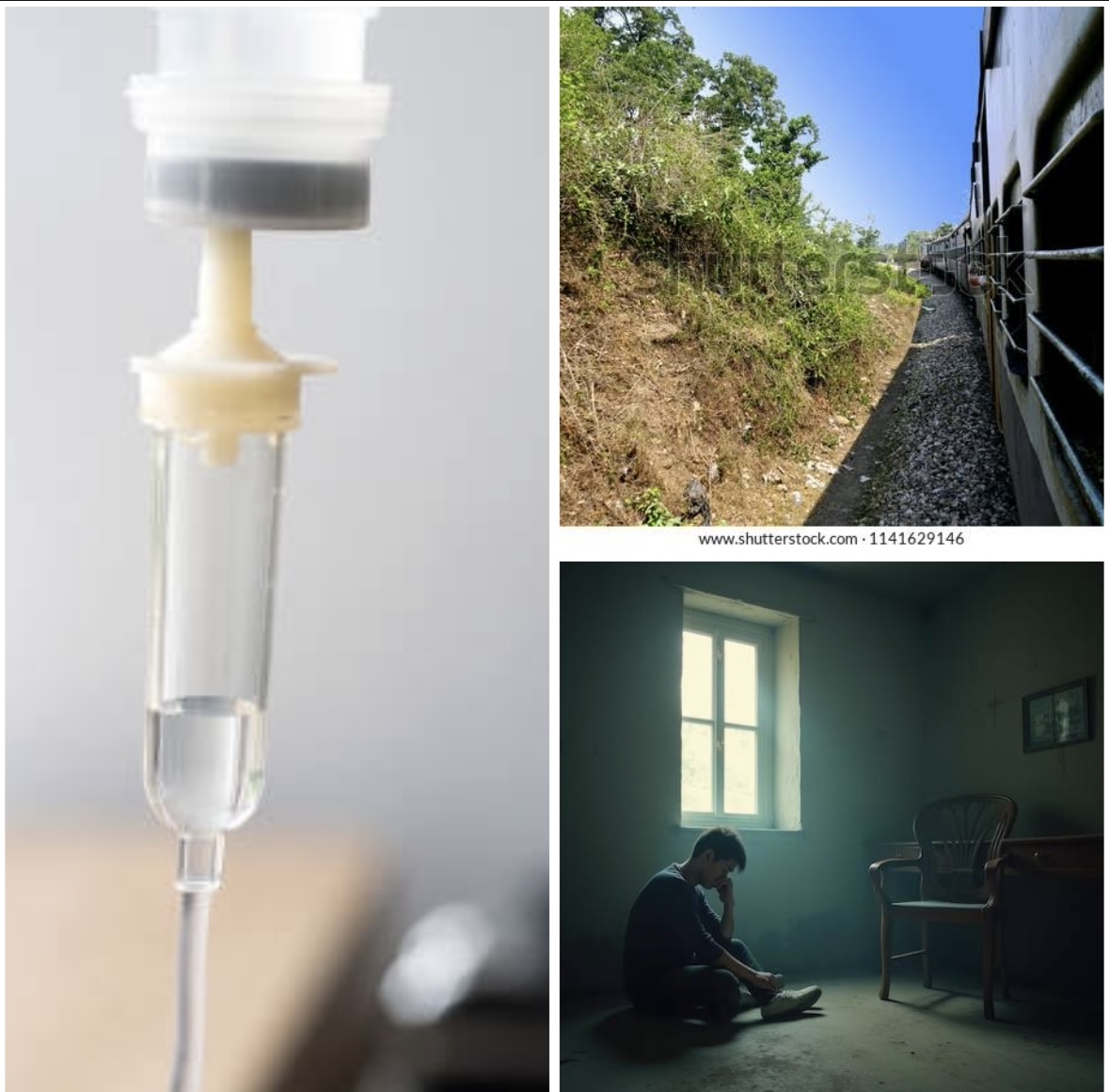
The room reeked of antiseptic, despair, and an eerie stillness punctuated by the faint, rhythmic beeps of the machines which were keeping her alive. Raagini Arora, once the epitome of grace and ambition, lay motionless on the hospital bed. Her pale face contrasted sharply with the bruises and bandages that marred her delicate features. The bullet wounds told a tale of violence—a tale no one could yet piece together.

Inspector Kadam lit a cigarette just outside the hospital doors, his furrowed brow signaling the importance of the case. Sub-inspectors Mhatre and Desai hovered nearby, eager to impress their senior but riddled with their own biases.

“It’s always the husband,” Kadam muttered, blowing a thin stream of smoke into the crisp evening air.

“Absconding too,” Mhatre added with a smirk. “That’s a clear admission of guilt.”

Desai, never one to miss an opportunity to flaunt his reasoning, chimed in, “What about the lover? There’s always a third angle, sir. Cause or effect.” He said it with the kind of pride reserved for those who’d just discovered a clever turn of phrase.

Inside their apartment, the crime scene unfolded like a macabre painting. A shattered glass table glistened with droplets of dried blood. The cops rifled through drawers, closets, and personal belongings, piecing together fragments of lives that once appeared perfect. Framed pictures of Ashish and Raagini in happier times hung on the walls, their smiles now a chilling reminder of how quickly things could crumble.

Far away, Ashish sat slumped in a third-class train compartment. His stubble-covered face bore the haunted look of a man running—not just from the police, but from himself. The rhythmic clatter of the train wheels matched the disarray of his thoughts. Each mile added distance from the city, but it brought no solace.

He kept replaying the events in his mind: Raagini’s shocked scream, the crash of her body hitting the glass table, the deafening sound of gunshots that echoed long after they had stopped. His hands trembled as he clenched them into fists. The gun—was it in his hand, but how had it come to this?

He hadn’t planned for violence. He had only intended to confront her, to demand answers about the man who had stolen the intimacy they once shared. But rage, betrayal, and adrenaline had turned the confrontation into a nightmare. Or maybe it hadn’t been him. The memory was a haze—a chaotic swirl of shouting, accusations, and a sudden eruption of violence. There had been a scuffle… someone else had been there. 

Rajat.

Now, every newspaper and television channel called Ashish a fugitive, a murderer. He couldn’t think clearly, couldn’t even remember if he had pulled the trigger.

Rajat hadn’t stepped out of his flat since that fateful day. The weight of guilt and fear pressed on him like an iron brick. Every sound—a creaking door, a passing car—felt like the cops closing in. The sight of Raagini’s lifeless body falling onto the table replayed incessantly in his mind.

The gun had been on the floor. He remembered that much. Or had it been in Ashish’s hand? The events were a blur: the shouting, the shattering glass, Raagini’s scream, and then the sharp crack of gunfire. It all came back to him in disjointed flashes. One moment, Ashish was yelling; the next, Raagini was bleeding. Rajat’s own hands had trembled as he stood frozen in the corner.

He had made a grave mistake getting involved with a married woman. What started as a fleeting affair—a distraction from his own lonely existence—had spiralled into something uncontrollable. He should have walked away the moment Ashish began suspecting, but Raagini had been adamant. She promised they’d find a way out.

Now, she lay between life and death, and Ashish was on the run. The tangled mess of emotions—love, guilt, and fear—threatened to consume Rajat entirely.

The media thrived on the chaos. DCP Sharma stood confidently before the cameras, announcing Ashish as the prime suspect. It didn’t matter that the evidence was circumstantial. A high-profile case involving infidelity, corporate drama, and gunshots was exactly the kind of scandal that would dominate headlines for weeks.

Ashish Arora, the successful corporate executive, had become a man on the run. Raagini Arora, the glamorous socialite, had become the victim of a love triangle gone wrong. And Rajat…he was a ghost, invisible to the prying eyes of the media, but haunted by his role in the tragedy.

As the city buzzed with speculation and judgment, three lives lay shattered. One was fighting for survival, another was fleeing from justice, and the third was drowning in guilt. But the truth—a dangerous, elusive beast—was still hidden in the shadows.

And those shadows were growing darker with each passing day.

(To be continued…)

Copyright (c) Pratik Majumdar, 2024. Any article, story, write-up cannot be reproduced in its entirety or in part, without permission. URL links can be used instead
The Kiss

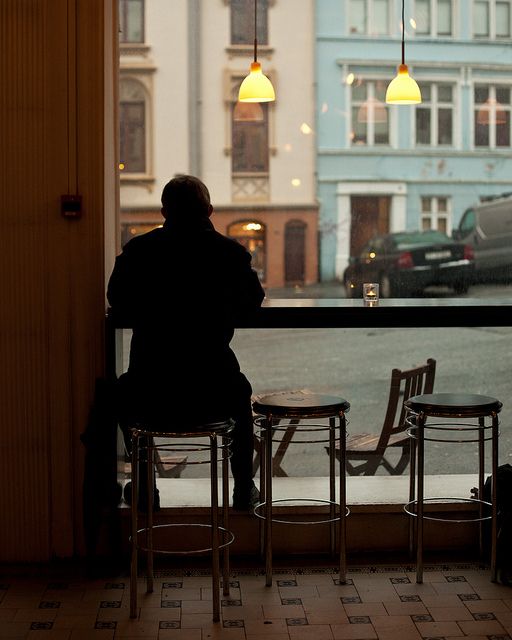
He rested his head against the pillar and shut his eyes. The tears kept streaming down his face and he didn’t try and stop them. He felt numb at that moment as he felt his body leaning more and more on the pillar. He had seen enough. 

To see her kiss some other man with that kind of passion had broken his heart. He always felt they had something going between them. He always felt that current, that vibe. But he was rudely awakened from his illusion that day. 

That kiss changed everything. 

He didn’t know how we would react with her from now on. They had been so close as friends, as confidantes. They were two people who shared almost everything with one another. And yet this came as a shock to him. He was already planning their future together and had steadied himself to express his feelings for her. He found it hard to say these things but he’d realised that the time had come to verbalise what he felt for all these years. 

And now…there was nothing to say. Nothing !!!

That night he got a message from her on his phone. It was their routine to send each other goodnight messages. He unlocked his phone to read the message: Goodnight sweetie. Need to talk. Let’s meet at the cafe tomorrow evening after work. He replied with a goodnight message and a smiley. Both seemed forced. 

He spent the whole day being restless and irritable. He kept fumbling with his things at work. He had a client presentation to make which he handed over to a colleague citing a bad headache. He just couldn’t focus on anything the whole day. He skipped lunch and drank more coffee than he was used to drinking. Soon he began to feel sick in the stomach with the amount of black coffee he’d consumed. 

He reached the cafe first. He had hardly done any work at the office and left sharp at 5. His colleagues were surprised to see him like this. It was most unusual. But he didn’t care. He sat at the cafe waiting for her, his mind jammed with a million thoughts which raced inside jostling with one another. He ordered yet another cup of black coffee as he waited for her. 

It was about an hour later that she arrived at the cafe. She looked hassled, harrowed and yet she seemed to glow. Her beautiful oval face shone despite her tiredness. She sat on the chair next to him and not opposite him, like they usually did. She put her arms around him and rested her head on his shoulders. He could smell her sweet perfume as she nestled into him. She didn’t speak for some time. He sat like a statue not knowing whether he should hug her or not. He didn’t know what to expect next. 

I feel so refreshed now, she finally broke the silence. It’s been a tiring day and I needed this. 

He didn’t know what to say so he gently placed his hand on her head, stroking her softly. 

Hard day eh? He tried to make some conversation. 

Hard, yes. But ultimately  satisfying one, she said, her head still on his shoulders. She then abruptly got up from her chair and went and sat on the chair opposite, facing him. Like they always used to. He felt some sense of familiarity with this at least. 

You know the audition I was talking about for the last few weeks? I nailed it and I’ve been offered the part in the tele film. Main lead !!! Can you believe it???? Her voice was excited as she reached out her hands across the table to hold his and squeeze them. Her eyes were twinkling like they always did when she was happy. She seemed to have a halo around her so joyous and glowing she was. 

Audition? What audition? Ohh that one…he was stumbling with his words, still trying to gather in and process all the information. 

Yes you know the one about the married guy having an affair and his wife finding out and planning revenge? That thriller love story I told you about. I was hesitating because it had one kissing scene. But then I realised as an actress I had to be professional. We did a rehearsal yesterday and it went very well. They liked me and I am in. Her hands were gripping his even tighter now as she spoke. 

Her green tea, his black coffee and those cheese straws lay untouched  that evening as he just refused to let go of her hand. He kept holding them tighter as he kept looking into her eyes and rediscovered that love he always felt was there. And then for a brief while he felt he’d lost it forever. But now he knew it was his misreading that made it feel so. 

He kept looking at her that evening in their familiar cafe and found himself falling even more in love with her. 

Copyright (c) Pratik Majumdar, 2024. Any article, story, write-up cannot be reproduced in its entirety or in part, without permission. URL links can be used instead

The Hollow Building

The town had always felt small, but something about the building at the edge of it gave it a vast, empty weight. As Raghav stood before the decrepit structure, the peeling paint, the cracked windows, and the cold stone beneath his feet, a strange compulsion pulled him forward. It had been years since he’d thought about it, but that old block always hovered in the back of his mind, a place where memories festered and grew like mold in the dark.

Raghav had driven into town under the pretense of visiting old friends—those he still had, or maybe just to reconnect with something, anything, that would prove he hadn’t lost it all. The crumbling building had seemed to whisper his name, as though it had always been waiting for him to return.

The air inside was thick with the scent of dust and damp. He had no plan, no reason, really, to enter except a feeling that this was where he was supposed to be. The first thing he noticed was a small, worn toy car sitting at the foot of a staircase. His favorite from childhood. He hadn’t thought of it in decades. He bent down, brushing the dust off it, a faint memory of running it across the floor of his mother’s old house flickering in his mind. He held it in his palm for a long moment, a strange warmth rising in his chest, only to be quickly crushed by the heavy weight of something else—something darker.

He walked through the building, room after room, each more unsettling than the last. The hallway stretched impossibly long, and the flickering lights above seemed to taunt him with their inconsistency. In the corner of the next room, he found his old wristwatch, the one his father had given him on his sixteenth birthday. It lay on a windowsill, its once-polished surface now tarnished and scratched. He had never taken it off as a teenager—until the day his father had passed. The memory of that night came rushing back: his father’s voice, weak and muffled, as he tried to say something important, but Reyansh had been too consumed by his own confusion and anger to listen. The watch had stopped working the same day his father had died. Raghav had thrown it in a drawer, unable to look at it again.

He picked it up now, the weight of it pulling at his chest, but just as quickly, he dropped it. It hit the floor with a loud, echoing thud.

A door creaked open behind him, and he turned.

Aunt Kaveri.

Her stern face filled the doorway, her cold eyes locking onto his. She was exactly as he remembered—no, she was worse. The memory of her abuse, the cruel words, the punishment for things he never understood, all flooded back like an open wound. Raghav’s heart raced, his breath quickened, but he couldn’t move, couldn’t run, couldn’t escape.

“Do you remember what happened, back then?” she asked, her voice smooth and venomous.

Raghav tried to speak, but his throat tightened, choking on the words. He wanted to scream, to lash out, but he was paralysed. The floor beneath him began to shake, and the room swirled in an overwhelming haze. The walls seemed to close in, the air thickening with a choking, suffocating pressure.

He staggered, trying to find his footing, when suddenly, another door appeared—this one, unlike the others, seemed to glow faintly.

He stumbled toward it, hoping it would offer him some kind of escape.

The moment he stepped into the next room, a wave of sweetness washed over him—overwhelming, intoxicating. It smelled of roses, lavender, and something he couldn’t quite place. The floor beneath him was soft, plush, like walking on a bed of petals. He blinked, squinting against the bright light.

And there she was.

Saanvi.

She stood at the far end of the room, her face glowing with a warmth he hadn’t seen in years. Her arms stretched out toward him, beckoning.

“Raghav, I’ve been waiting for you,” she said, her voice soft and sweet like honey. Her smile was perfect, as though all the pain, the distance, the arguments—none of it had ever happened. It was as though all of his past mistakes were erased, like they’d never existed.

He walked toward her, his heart hammering in his chest, desperate for her touch, for her comfort. He closed the distance between them, feeling her warmth, her embrace.

But then—something changed.

Her body began to melt. Her skin darkened, her once soft face twisting into something cruel and monstrous. The sweet smell of perfume turned sharp, burning his nostrils. He pulled back, but it was too late. Her arms were no longer gentle but claws—hot, fiery talons digging into his back, raking across his skin.

Raghav screamed in agony, but his voice caught in his throat as she dug deeper, pulling him closer. He tried to break free, but her grip tightened like iron.

The pain was unbearable, and just as he thought he might pass out, everything went black.

Reyansh opened his eyes, gasping for air, his chest rising and falling rapidly. His vision was blurred, the edges of the room hazy. It was dark—no, too dark.

He tried to move, but something was wrong. Something was holding him in place. He couldn’t feel his legs, his arms—they were pinned, as though an invisible force was trapping him.

His heart pounded in his chest as a sense of claustrophobia set in. He struggled, but the harder he fought, the tighter the pressure became. It was as if the very air around him was thickening, constricting his lungs.

He gasped, his hands flying to his throat, clutching at the invisible barrier pressing against him. He couldn’t breathe. The panic surged like a tidal wave, choking him, suffocating him.

“No, no, no…” he whispered, but the words came out as ragged, strangled sounds.

He clawed at the sheets, at the darkness around him, but nothing would give. His throat burned, and his vision blurred as he felt the room closing in on him, the walls pressing down, the silence suffocating.

And then, through the haze, the whispers came. The voices of the people he’d wronged. Aunt Kaveri’s cold laughter, his father’s disappointed silence, Saanvi’s accusing words. They all merged, echoing in his mind, filling him with an overwhelming dread.

He felt the claws again, digging into his skin, tearing him apart from the inside. He was trapped, suspended in this nightmare with no escape.

The last thing he heard before the darkness swallowed him completely was his own voice—screaming.

But no one would hear.

Copyright (c) Pratik Majumdar, 2024. Any article, story, write-up cannot be reproduced in its entirety or in part, without permission. URL links can be used instead

The Last Sip

The café was warm and bustling, a haven for coffee lovers. The air was thick with the scent of roasted beans, mingling with the sweet undertones of pastries just out of the oven. She loved it here, the cozy atmosphere, the hum of conversation, and the comfort of the steam rising from the cups around them. She sat across from him, a smile playing at the corners of her lips.

“Are you sure you’re okay with this place?” she asked, watching as he scanned the menu, his fingers drumming on the table.

He smiled, but there was a hint of hesitation in his eyes. “It’s fine. I didn’t know they made tea here, though.”

She laughed softly, the sound warm and easy. “I thought you’d like it. It’s a coffee place, sure, but the tea’s not bad either.” She glanced at the barista behind the counter, who was carefully preparing a cup of dark espresso. “You know, it feels like the kind of place where tea gets overlooked.” She looked radiant in her white chikankari salwar suit, her bouncy auburn hair tied up for a change, her big hazel eyes sparkling, as they often did when she was happy.

He raised an eyebrow. “Guess I’m the odd one out, then.” He didn’t drink coffee. He wasn’t much of a fan of its bitterness, of the rush it gave. His drink of choice was always something quiet—green tea, the kind that calmed his mind and kept him grounded. She took a quick glance at him as he scanned through the menu. His wavy hair neatly combed, his check shirt and faded blue jeans giving him a younger look than usual, and his eyes deep, piercing and intense. She loved the way he focussed on the menu card. As if he was studying for an exam. She smiled softly to herself noticing him closely.

She wrapped her hands around her steaming coffee cup, savouring the rich aroma. “I guess so. I could never live without coffee.” She smiled mischievously. “But you’ll find a way to survive.”

The evening unfolded with ease—long, easy conversation, laughter spilling between them as they navigated the small, tentative steps of their first date. She adored his quietness, the way he listened with genuine interest, and how he didn’t rush into things. He, on the other hand, found himself drawn to her vibrancy, her quick wit, the way she lived life with a passion that was both intoxicating and refreshing.

Over time, their paths intertwined—first as friends, and then, inevitably, as something more. He started meeting her in cafés like this one, even though it wasn’t always his first choice. He’d sit with her as she sipped her strong, dark coffee, watching the steam curl from her cup. He’d sip his tea, mild and earthy, the contrast so clear between them.

They were different, in so many ways. She thrived on energy, on complexity; he, on calm and simplicity. She’d talk animatedly about her day, about the latest project at work, her thoughts weaving through different subjects like a fast-moving river. He would listen, letting the words wash over him, responding thoughtfully, always gentle, always measured.

And yet, despite their differences, they found a rhythm. There was an unspoken understanding between them, a rare blend of thoughts, emotions, and feelings. It felt easy—effortless, even. It was like they had found the perfect balance between light and dark, between sweet and bitter.

But as time went on, the quiet space they had created began to grow narrower. With love came expectations, commitments—things that had never been part of their friendship. The easy days of simple connection started to feel burdened by the weight of what they were supposed to be, of what they thought they were supposed to want.

She began to notice changes, subtle at first. He’d get quiet, his usual calm demeanor tipping into something distant. He no longer seemed to want to talk as much, and when he did, the words came slower, heavier. She tried to fill the silence, tried to push through the awkwardness, but there were days when it felt like she was talking to a stranger, not the man who had once listened so attentively to her every word.

And then there was the new guy at work. He was everything she had once imagined she wanted—dynamic, full of energy, passionate about life. He was like her in so many ways. At first, it was nothing more than a friendly connection, a shared interest in projects at work. But soon, it deepened. He was easy to talk to, easy to laugh with. He understood her in a way that felt comforting, like a mirror reflecting back her own restlessness.

The contrast between the two men—her coffee-loving, energetic colleague, and her quiet, thoughtful partner—was stark. She tried to make it work. She wanted to. But in the end, the path they had walked together became harder to navigate.

It all came to a head one evening, after a long stretch of unspoken tension. They sat across from each other at the same café where it had all begun, their cups in front of them, now interchanged, in a cruel twist of fate —his dark coffee, her green tea.

Neither of them spoke at first. The sounds of the café, once so familiar and comforting, now felt intrusive, almost suffocating. He stared into his coffee, his eyes lost somewhere far away.

“Do you regret it?” she asked quietly, her voice barely above the clink of cups around them.

He looked up, meeting her gaze for the first time in days. “I don’t know. I don’t think I regret it. But… it’s different now. Isn’t it?”

She nodded, swallowing the lump in her throat. She wanted to say something—something that would fix it, would make it all better—but the words felt heavy, impossible. “I think we’ve changed. Or maybe we were always supposed to change. Maybe… maybe it was just never meant to be.”

He reached for his cup, lifting it slowly to his lips. For a moment, the two of them sat there, silent, letting the quiet speak what neither of them could. Finally, he set the cup back down, his fingers brushing the edge.

“I never thought I’d end up here,” he said softly. “Drinking coffee, thinking about… us. But here we are.”

She smiled faintly, her fingers tightening around her own cup of green tea. “I never thought I’d like tea this much. You know, I always thought it was too… calm. Too slow for me.”

He chuckled softly, and for a moment, it felt like they had found each other again—if only for a fleeting second. Then, without saying a word, they swapped their cups. She lifted his dark coffee to her lips, savouring its intensity, while he took a sip of her tea, the soft, earthy warmth filling his senses.

They sat there, each of them tasting the other’s world, feeling the final shift between them. The blend, imperfect as it was, had come to an end. She could feel it—the weight of everything they had tried to build, and the quiet acceptance that they had reached the end of their journey together.

When they stood to leave, their eyes met one last time. There were no more words to say. No more promises to keep. They had come full circle—from their first meeting, where their drinks defined who they were, to this final moment of change, of understanding.

She left the café first, her cup of green tea in hand. He followed behind her, holding his cup of dark coffee like a quiet farewell.

The door swung shut behind them, and as the last echoes of the café faded away, they both stepped into separate lives—each with their own cup, their own path, and the lingering taste of a love that had once felt perfect.

And in the soft stillness of the evening, there was only peace.

Copyright (c) Pratik Majumdar, 2024. Any article, story, write-up cannot be reproduced in its entirety or in part, without permission. URL links can be used instead