He had always loved too much.
As a child, he was the one who clung to his mother’s side, eager for a kind word, a lingering touch on his hair. She was busy, though, always too tired, too distracted. His father barely spoke, except to issue commands. It was the first lesson he learned: love, in its purest form, was rarely returned in equal measure.
But he was hopeful.
He met Aisha in college. She had bright eyes, an easy laugh, and she told him she’d never met anyone as kind as him. He devoted himself to her, always anticipating her needs, writing her long letters when she was sad, holding her when she felt lost. He thought she saw him, truly saw him. But one day, she simply left.
“I don’t feel the same way you do,” she had said, her tone almost apologetic. “I need someone… different.”
Different.
He convinced himself it was just bad luck.
Then came Meera. He married her with a heart still aching but full of renewed hope. They spoke of dreams, of building a life together. He worked long hours, came home with small surprises, kissed her forehead every morning. But as the years passed, her warmth faded. She sighed when he entered the room. Conversations became dull, then sparse. One night, she whispered, “I love you, but I don’t think I ever loved you enough.”
Enough.
They had children. Two bright, beautiful souls who once ran to him with open arms. He adored them. But as they grew, they pulled away. Their love became conditional—accepting only when he gave, dismissive when he sought a little affection in return.
He gave, and he gave, and he gave. And yet, there was always a distance. A silent, aching void between him and the world.
His friends were no different. They laughed at his jokes, borrowed his time, his money, his kindness. But when he faltered—when he needed them—they reminded him of his flaws. “You overthink things,” they said. “You take things too personally.”
One evening, sitting alone in the house he had built, surrounded by people who barely seemed to notice him anymore, he realized the truth.
It wasn’t that people didn’t care. It was that their care was fleeting. Temporary. Their love came with conditions, with limits.
And he—he had none.
He left.
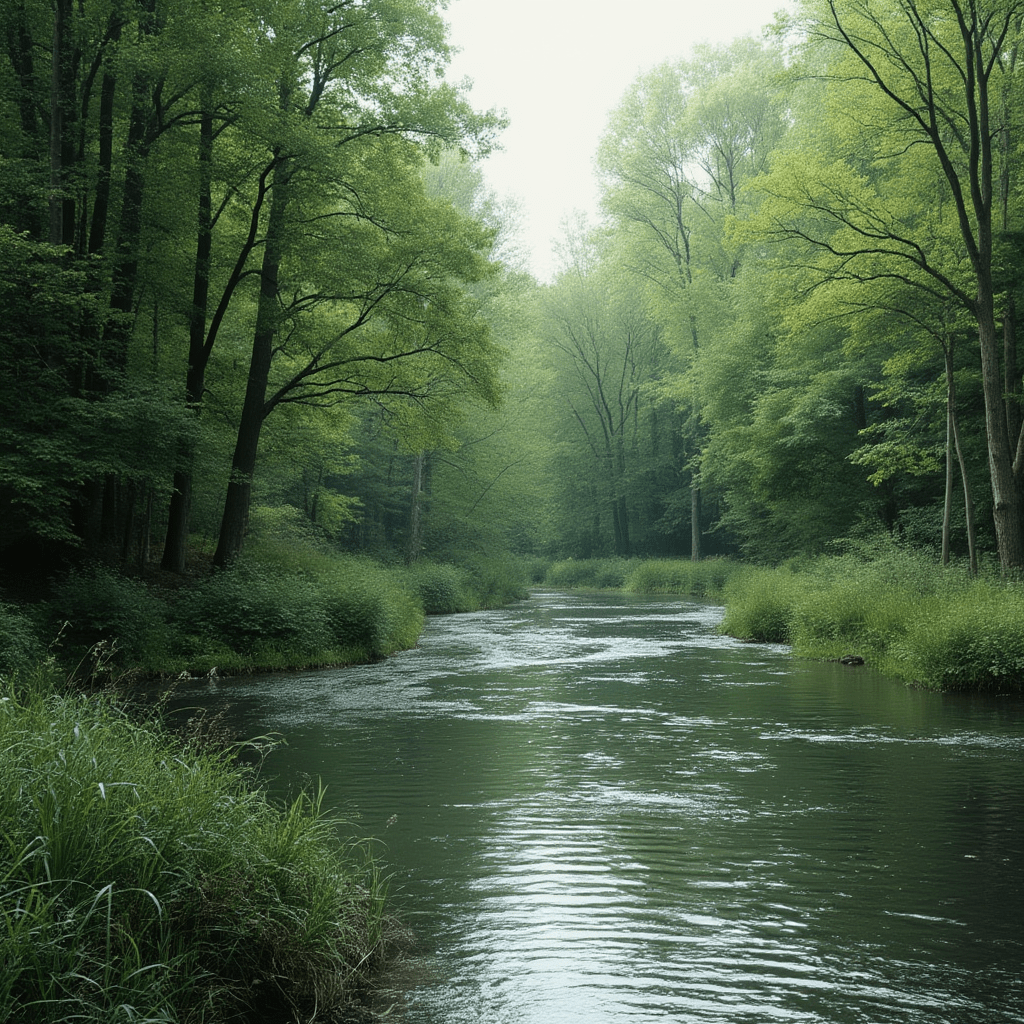
He drove for days, past cities and towns that blurred together, until he reached a place of silence—rolling hills, deep forests, and rivers that spoke in whispers. He bought a small cabin, far from the world he had known.
At first, loneliness gnawed at him. The silence felt sharp, not soothing. There was no phone buzzing, no voices filling up the emptiness. He still longed for people, for a sign that someone missed him, that someone wondered where he had gone. But no one called. No one came.
The first few months were difficult. He had spent his entire life giving, seeking, yearning for love, for warmth. Now, there was nothing to seek. The trees did not praise him for his kindness. The river did not return his affection. The hills did not tell him he was special.
But they also did not betray him.
The sun rose every morning, the wind whispered through the trees, the stars blinked down at him with quiet indifference. For the first time, Rohan was not performing. He was simply existing.
He started small—reading books by the fireplace, learning to fish, growing a small vegetable garden. He walked through the forests and let the stillness sink into his bones.
And slowly, something changed.
One evening, as he sat by the river, watching the golden light of sunset shimmer over the water, he felt something shift within him. It wasn’t joy, exactly. It wasn’t the rush of love he had always chased. It was something quieter. Steadier.
Peace.
He thought about all the years he had spent searching for something—validation, love, understanding. He had believed that happiness lay in being seen by others, in being cherished. But now, watching the river flow without purpose, without expectation, he realized how wrong he had been.
He had never needed others to complete him.
He had never needed someone to mirror his love back at him to prove he was worthy.
The world would always be conditional. People would love when it suited them, when they needed something in return. That was human nature.
But he did not have to need them in the same way anymore.
That night, for the first time in his life, he slept soundly, without dreams of unfulfilled love, without aching for a touch, a word, a promise.
Days turned into months, and months into years.
He no longer waited for calls that never came. He no longer felt hurt when people forgot him. He had found something stronger than love—acceptance.
One day, as he sat on his porch, sipping tea and watching the mist roll over the hills, he realized he did not regret leaving. He did not regret giving up on others.
Because he had finally found the one thing he had been searching for all along.
Himself.
Copyright (c) Pratik Majumdar, 2025. Any article, story, write-up cannot be reproduced in its entirety or in part, without permission. URL links can be used
 Words are flowing out...
WOW !!!!!
LikeLike
He found HIMSELF… That is so profound
LikeLike